
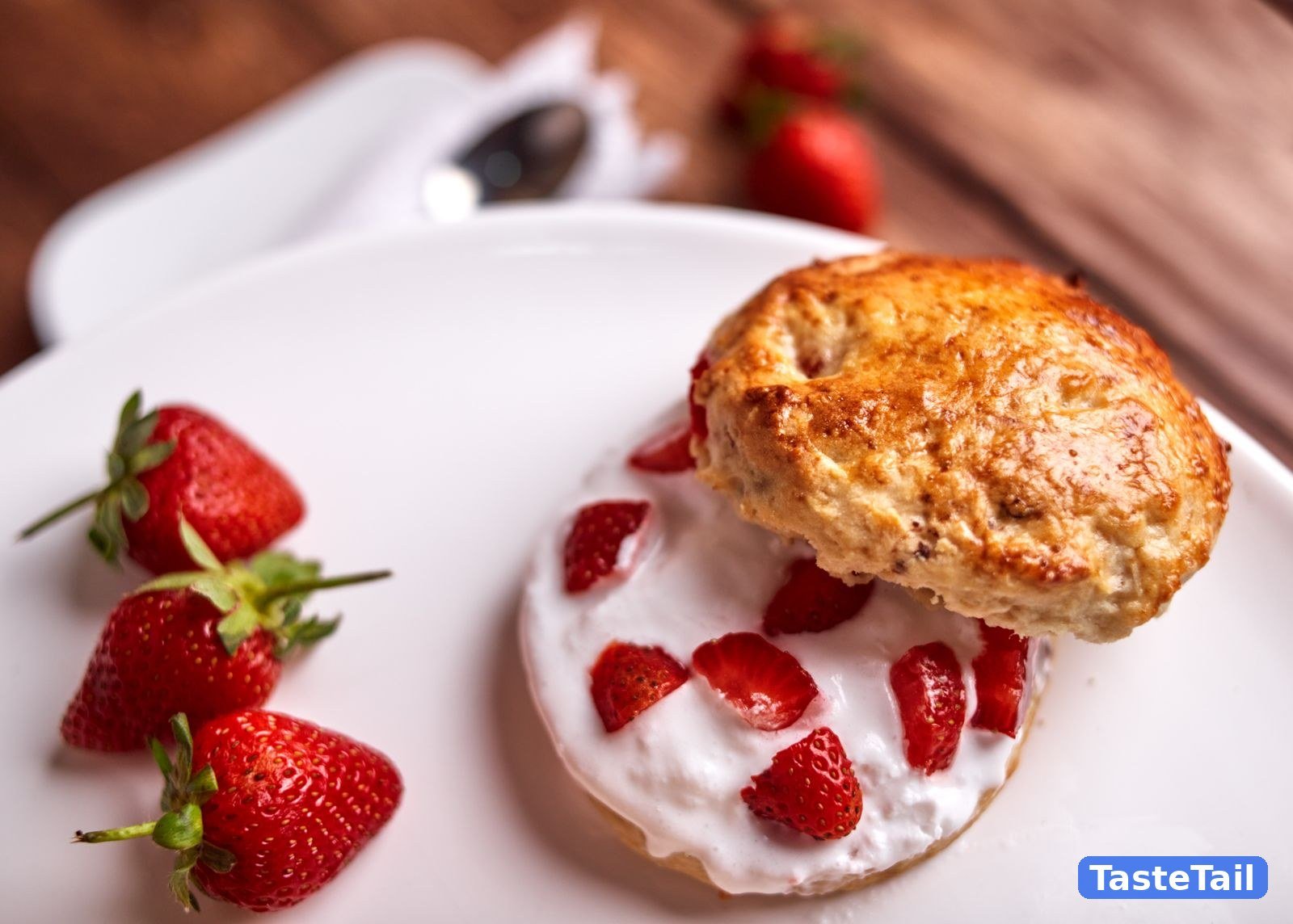
There is a reason strawberry shortcake shows up at nearly every summer gathering, and it has very little to do with tradition for tradition’s sake. It is one of those rare desserts that tastes like the season itself. The berries are bright and a little tart, the biscuit is warm and buttery, and the cream is soft enough to melt into everything it touches. Nothing about it is fussy, and yet people remember it long after the plates are cleared. If you have ever had a version made with a dry sponge or a tub of something that claimed to be whipped topping, you know the difference a homemade biscuit makes. This is the real thing, and it is far easier than it looks.
I make this shortcake most often in late spring, when the first really good strawberries appear at the market and smell like strawberries before you even pick them up. That is the moment to buy an extra punnet, because this recipe is generous with berries on purpose. The fruit is not a garnish here. It is the point. We macerate the berries in a little sugar so they soften and make their own syrup, and that syrup soaks into the biscuit in the best possible way. The biscuit itself is closer to a scone than a cake, tender and flaky, with crisp edges and a soft middle. It comes together in one bowl, needs no mixer, and bakes in about fifteen minutes. The cream takes five minutes and three ingredients. Put together, the whole dessert is ready in about an hour, and most of that is just waiting for the berries to do their work.
What I love most about this recipe is how forgiving it is. You do not need perfect berries, a piping bag, or a single piece of special equipment. A bowl, a fork, and a baking tray will do. If your biscuits come out a little rustic, that only helps, because the craggy tops catch the strawberry juices beautifully. If you are short on time, you can bake the biscuits ahead and whip the cream while dinner is on the table. And if you are feeding a crowd, the recipe doubles without any trouble at all. Serve it after a light supper, perhaps after something simple like creamy garlic chicken pasta, and you have a meal that feels considered without anyone spending the whole evening in the kitchen.
Before we get into the details, a quick word on what makes a shortcake a shortcake. In the American tradition, it is a sweet biscuit, split and layered with fruit and cream, not a sponge cake and not a pound cake. The biscuit should be rich but not heavy, sweet but not sugary, and sturdy enough to hold the berries without falling apart. The cream should be barely sweetened and whipped just until it holds soft peaks, so it stays light. Get those two things right and the berries take care of the rest. Serious Eats has a wonderful discussion of the classic strawberry shortcake and why the biscuit matters so much, and it is worth a read if you enjoy the history behind a recipe. For more ideas once strawberry season is in full swing, the BBC Good Food strawberry collection is a lovely place to browse.
Ingredients
For the strawberries, you will need about two pounds of fresh strawberries, hulled and sliced, half a cup of granulated sugar, and a teaspoon of lemon juice. The lemon juice is optional, but I rarely skip it. It brightens the berries and keeps their flavour from tasting flat or one-note. If your strawberries are very sweet already, you can cut the sugar back to a third of a cup. Taste them first. Good fruit should guide you more than any measurement on the page.
For the biscuits, gather two cups of all-purpose flour, a quarter of a cup of granulated sugar, a tablespoon of baking powder, half a teaspoon of fine salt, half a cup of cold unsalted butter cut into small cubes, two-thirds of a cup of cold heavy cream, one large egg, and a teaspoon of vanilla extract. You will also want a tablespoon of coarse sugar for sprinkling over the tops, and a little extra cream for brushing. Keep the butter and the cream cold right up until you use them. Cold fat is what gives the biscuits their flaky layers, and warm butter will melt into the flour and leave you with something closer to a cookie.
For the whipped cream, you need one and a half cups of cold heavy cream, three tablespoons of powdered sugar, and a teaspoon of vanilla extract. That is all. No stabilisers, no gelatin, nothing fancy. If you are making the dessert on a very hot day, chill your bowl and whisk in the freezer for ten minutes first. It makes a surprising difference to how quickly the cream whips and how well it holds.
A note on flour: spoon it into your measuring cup and level it off with a knife rather than scooping straight from the bag. Scooping packs the flour down and can add as much as a quarter of a cup extra, which is enough to make the biscuits dry. It is a small habit, but it is the kind of small habit that separates a good biscuit from a great one. The same care applies to baking powder. Make sure yours is fresh, because old baking powder loses its lift, and a shortcake biscuit without lift is a sad, dense thing.
How to Make Easy Strawberry Shortcake
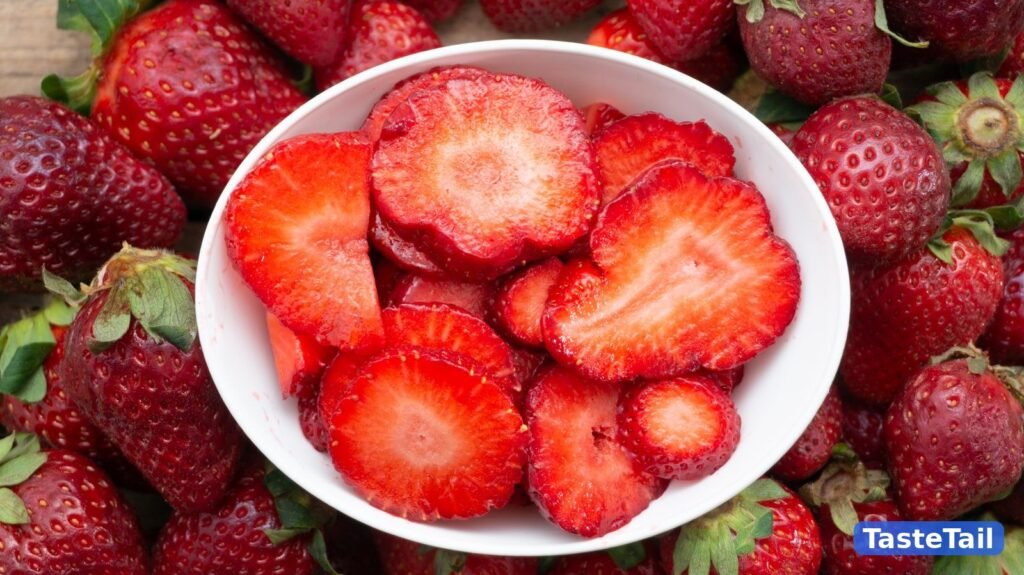
Start with the strawberries, because they need time. Hull them, slice them into halves or quarters depending on their size, and put them in a large bowl. Sprinkle over the sugar, add the lemon juice, and toss everything together gently. Then leave the bowl on the counter for at least thirty minutes, stirring once or twice. What happens in that half hour is the whole secret of the dish. The sugar draws the juices out of the berries, and those juices turn into a ruby syrup that is every bit as delicious as the fruit itself. The berries soften just enough to slump a little, but they should still hold their shape. If you have an hour, give them an hour. They will only get better.
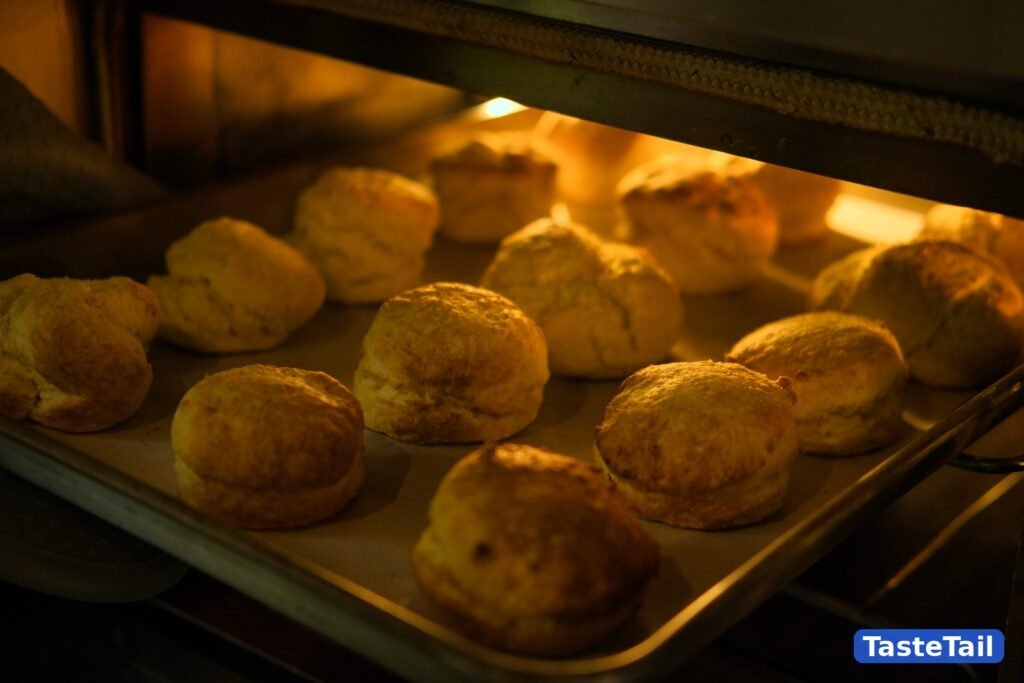
While the berries are macerating, heat the oven to 425 degrees Fahrenheit, or 220 degrees Celsius, and line a baking tray with parchment paper. In a large bowl, whisk together the flour, sugar, baking powder, and salt. Add the cold butter cubes and work them into the flour with your fingertips, a pastry cutter, or two forks. You are aiming for a mixture that looks like coarse crumbs, with some pieces of butter still visible, about the size of small peas. Those little pieces of butter are important. They melt in the oven and create steam, and that steam is what lifts the biscuit and makes it flaky. Do not overwork it. If the butter starts to feel soft or greasy, pop the bowl in the fridge for ten minutes.
In a separate jug, whisk together the cold cream, the egg, and the vanilla. Pour this into the flour mixture and stir with a fork just until a shaggy dough comes together. It will look rough and a little dry in places, and that is fine. Turn the dough out onto a lightly floured surface and gently press it together with your hands, folding it over on itself two or three times. This is not kneading. You are just bringing it together and building a few layers. Pat the dough out to about an inch thick, then cut it into eight rounds with a biscuit cutter or a floured glass. Press straight down when you cut, without twisting, so the edges stay clean and the biscuits rise evenly.
Place the rounds on the prepared tray, leaving a little space between them. Brush the tops lightly with cream and sprinkle over the coarse sugar. The sugar gives the tops a lovely crunch and a sparkle that looks wonderful on the table. Bake for fourteen to sixteen minutes, until the biscuits are tall, golden, and firm at the edges. They should smell like butter and vanilla, and they should sound faintly hollow when you tap the bottom. Let them cool on the tray for five minutes, then move them to a wire rack. They are best served warm or at room temperature, never straight from the fridge.
Now whip the cream. Pour the cold cream into a cold bowl, add the powdered sugar and vanilla, and whisk until soft peaks form. You can do this with a hand whisk if you enjoy a small workout, or with an electric mixer on medium speed. Watch it closely, because cream goes from soft peaks to stiff peaks to butter faster than you expect. Soft peaks mean the cream folds over on itself when you lift the whisk, like a gentle wave. That is exactly what you want. It should be pillowy and light, not stiff and sculptural.
To assemble, split a warm biscuit in half horizontally. Spoon a generous amount of strawberries and their syrup over the bottom half, letting the juices soak in. Add a big dollop of whipped cream, then set the top half of the biscuit on top, slightly askew so the layers show. Spoon over a little more fruit and finish with another dollop of cream. Serve right away, while the biscuit is still warm and the cream is just starting to melt into the berries. That contrast, warm biscuit and cold cream, is the whole pleasure of the dessert.
Tips for the Best Strawberry Shortcake
Keep everything cold. I have said it already, but it is the single most useful tip in this recipe. Cold butter, cold cream, and even a cold bowl for the flour on a hot day will give you taller, flakier biscuits. If your kitchen is warm, work quickly and do not be shy about chilling the dough for ten minutes before it goes into the oven.
Do not overmix the dough. The moment the flour disappears into the wet ingredients, stop stirring. A few streaks of flour are fine, and they will disappear as you pat the dough together. Overmixing develops the gluten in the flour, and gluten is the enemy of a tender biscuit. Think of it as gently coaxing the dough together rather than beating it into submission.
Choose the right berries. The best shortcake starts with the best strawberries you can find. Look for fruit that is fragrant, deeply red all the way through, and heavy for its size. Pale shoulders and a white core usually mean the berry was picked too early and will taste watery. If you can only find average supermarket berries, the sugar and lemon juice will help a great deal, and a tiny pinch of salt in the berries can sharpen their flavour in a surprising way.
Whip the cream at the last minute. Whipped cream holds well for an hour or two in the fridge, but it is at its best when it is freshly whipped. If you need to make it ahead, whip it to slightly softer peaks than you think you need, because it will firm up a little as it sits. A spoonful of mascarpone whisked in with the cream will help it hold longer, if you are serving outdoors on a warm evening.
Make the biscuits your own. A little lemon zest in the dough is lovely, and a pinch of cinnamon is surprisingly good with strawberries. Some people like to add a splash of buttermilk instead of cream for a tangier biscuit. All of these are fine. The recipe is a starting point, not a set of rules carved in stone, and the best version is the one your family asks for again.
Serving Ideas
Strawberry shortcake is a dessert that needs very little company, but a few thoughtful touches can turn it into a proper occasion. Serve it on your prettiest plates, with the berries spooned generously and a sprig of mint if you have it. A pot of coffee or a jug of iced tea alongside is all you need. For a summer dinner party, set up a shortcake bar and let everyone build their own. Put out the warm biscuits, the bowl of berries, and the cream, and watch people go back for seconds. It is interactive, it is fun, and it takes the pressure off the cook entirely.
This is also a wonderful dessert to serve after a seafood supper. The lightness of the fruit and cream feels exactly right after something like air fryer lemon herb salmon, and the whole meal stays bright and seasonal. If you are planning a menu for a warm evening, a fresh side such as air fryer sweet potato wedges keeps things easy, and a simple grain dish like one-pan vegetable fried rice rounds out the table without weighing it down. Dessert is the star, but a light main course lets it shine.
For a brunch, make mini shortcakes. Cut the biscuits smaller, use a single strawberry on top, and serve them on a cake stand. They look charming, they are easy to eat standing up, and children love them. For a more grown-up version, add a splash of balsamic vinegar to the berries while they macerate, or a spoonful of elderflower cordial. Both deepen the flavour without making the dessert taste fussy or complicated.
Storage
Strawberry shortcake is best eaten the day it is made, and ideally within a few hours of assembling. That said, the components store very well on their own, and that is the practical way to plan ahead. The baked biscuits keep in an airtight container at room temperature for two days, and they freeze beautifully for up to a month. Wrap them individually, freeze them, and reheat them in a warm oven for eight minutes when you need them. They will taste almost freshly baked.
The macerated strawberries keep in the fridge for two to three days, though they will soften further and make more syrup as they sit. That syrup is wonderful spooned over yoghurt or ice cream, so nothing goes to waste. Whipped cream is the most fragile part. It holds in the fridge for a day, but it will start to weep and lose volume. If you have leftover cream, whisk it briefly before serving to bring it back to life, or fold it into a little yoghurt for breakfast.
Never store assembled shortcakes. The biscuit will go soggy, the cream will collapse, and you will lose everything that makes the dessert special. Keep the three parts separate until the moment you serve, and assemble only as many as you need. It takes less than a minute per serving, and the difference is enormous.
Variations
Once you have the basic recipe down, there is plenty of room to play. Mixed berries are a natural next step. Raspberries, blueberries, and blackberries all macerate beautifully, and a mixture looks stunning in the bowl. Peaches and nectarines work wonderfully in late summer, especially with a little brown sugar instead of white. In autumn, try roasted plums or poached pears with a pinch of cinnamon, and serve the shortcake warm from the oven.
The cream can change too. Fold in a little lemon curd for a sharper, brighter filling, or swap half the cream for mascarpone for a richer result. A spoonful of Greek yoghurt whisked into the cream makes it lighter and tangier, which some people prefer. For a dairy-free version, use coconut cream chilled overnight, scoop out the solid part, and whip it with a little powdered sugar and vanilla. It works surprisingly well, and the faint coconut flavour suits the berries.
The biscuits themselves can be flavoured. Add a teaspoon of lemon zest, a pinch of cardamom, or a tablespoon of poppy seeds. You can also make them with wholemeal flour for a nuttier, more rustic result, though you may need an extra splash of cream to bring the dough together. And if you want a shortcut on a busy night, good-quality store-bought shortbread or sponge fingers will do in a pinch, but try the biscuits at least once. They are the heart of the recipe, and they are worth the fifteen minutes.
Frequently Asked Questions
Can I make strawberry shortcake ahead of time?
Yes, you can make the parts ahead, and that is the best way to do it. Bake the biscuits up to two days in advance and keep them in an airtight container, or freeze them for up to a month. Macerate the berries a few hours ahead and keep them in the fridge. Whip the cream just before serving, or up to a few hours ahead and keep it chilled. Assemble only when everyone is ready to eat, so the biscuits stay crisp and the cream stays light.
What is the difference between strawberry shortcake and strawberry cake?
Strawberry shortcake is built on a sweet biscuit, similar to a scone, which is split and filled with fruit and cream. Strawberry cake is a sponge or butter cake, usually layered and frosted, with strawberries mixed into the batter or the filling. Shortcake is lighter, quicker, and more rustic. It is also far more forgiving, because there is no frosting to smooth and no layers to level. If you want a dessert that tastes like summer without a lot of ceremony, shortcake is the one to choose.
Can I use frozen strawberries?
You can, though fresh berries will always give a better result. If you use frozen strawberries, thaw them completely first and drain off some of the liquid, or the syrup will be too thin. Toss them with sugar and lemon juice as usual, and give them at least thirty minutes to macerate. The texture will be softer than fresh berries, but the flavour will still be good, especially if the berries were frozen at their peak.
How do I keep my biscuits from going flat?
The most common reason biscuits go flat is warm butter or old baking powder. Keep the butter cold, work quickly, and check that your baking powder is fresh by dropping half a teaspoon into hot water. If it fizzes vigorously, it is fine. If it barely reacts, replace it. Cutting the biscuits straight down without twisting also helps them rise evenly, and a hot oven is essential, so make sure it is fully preheated before the tray goes in.
Can I make this recipe dairy-free?
Yes. Use a plant-based butter and a dairy-free cream alternative for the biscuits, and whip chilled coconut cream for the topping. The biscuits will be a little less rich, but they will still be tender and delicious. Choose a butter alternative that is firm when cold, because soft spreads will not create the same flaky layers. The berries themselves are naturally dairy-free, so the rest of the recipe needs no changes at all.
One thought on “Easy Strawberry Shortcake”