
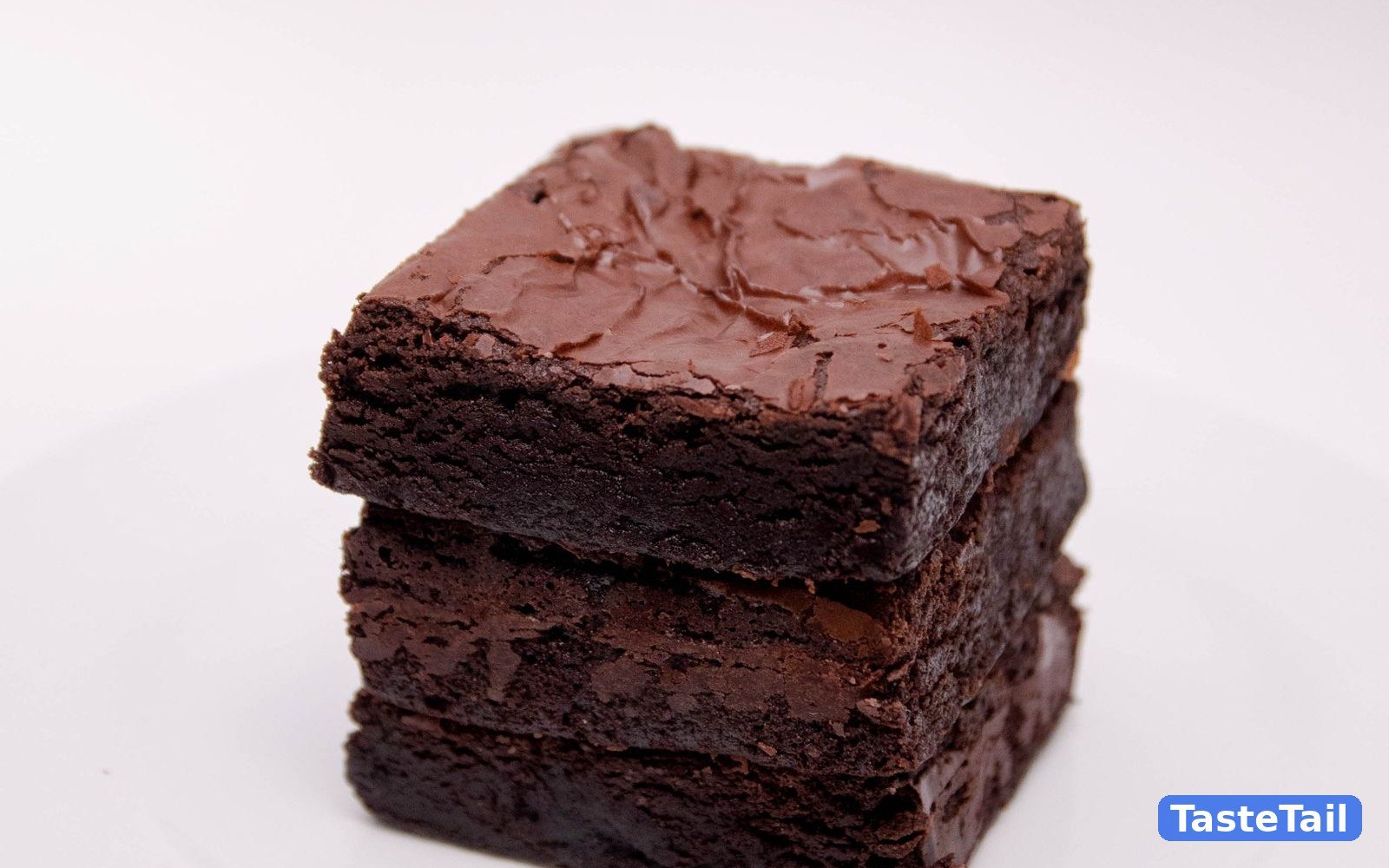
Some recipes are worth making from scratch because the boxed version is genuinely not very good, and brownies are at the top of that list. A good brownie is not a piece of chocolate cake. It is dense and fudgy in the middle, with a thin crackly crust on top, edges that are just set enough to hold their shape, and a flavour that tastes like real chocolate rather than something that came out of a packet. Once you have made them this way, with melted butter, good cocoa, and a little patience while they cool, it is hard to go back. The best part is that they are not difficult at all. One bowl, one pan, about ten minutes of actual work, and the oven does the rest.
I have made more batches of brownies than I can count, for birthdays, bake sales, school lunches, and ordinary Tuesdays when the house needed something sweet. Over time I have learned what matters and what does not. The chocolate matters. The ratio of butter to flour matters. The baking time matters more than anything, because the difference between fudgy and dry is often just two minutes. What does not matter is having a stand mixer, a special pan, or any unusual ingredients. These brownies use things most kitchens already have, and they are forgiving enough for a first-time baker and reliable enough for someone who makes them every week.
This recipe is deliberately simple. There is no melting chocolate in a double boiler, no whipping eggs for ten minutes, and no chilling the batter overnight. We melt the butter, stir in the sugar and cocoa, add the eggs and vanilla, and fold in the flour. That is the whole method. The result is a brownie that is rich without being heavy, sweet without being cloying, and sturdy enough to cut cleanly while still soft in the centre. Serve them warm with ice cream, pack them cold for a picnic, or eat one standing at the kitchen counter while they are still slightly warm from the pan. All three are correct.
If you are planning a family dinner, these brownies make a wonderful finish to something hearty. They follow a main course like baked pesto chicken with mozzarella beautifully, because the meal is satisfying but not heavy, and the chocolate feels like a proper treat at the end. They are also the kind of dessert people ask for the recipe for, so be ready to share it. For a deeper look at what makes a brownie fudgy rather than cakey, the Serious Eats guide to fudgy brownies is excellent, and The Kitchn brownie tips cover the small details that make a real difference.
Ingredients
You will need half a cup of unsalted butter, one cup of granulated sugar, two large eggs at room temperature, a teaspoon of vanilla extract, a third of a cup of unsweetened cocoa powder, half a cup of all-purpose flour, a quarter of a teaspoon of salt, and a quarter of a teaspoon of baking powder. That is the base recipe, and it makes sixteen brownies in an eight-inch square pan. If you like chocolate chips, add three-quarters of a cup of semisweet chocolate chips or chopped dark chocolate. If you like nuts, add half a cup of chopped walnuts or pecans, toasted lightly first if you have the time.
The cocoa is doing most of the flavour work here, so use the best you can find. Natural unsweetened cocoa gives a slightly sharper, fruitier chocolate flavour, while Dutch-process cocoa gives a darker colour and a smoother, mellower taste. Both work well in this recipe, and you do not need to change anything else if you swap one for the other. What matters is that the cocoa is fresh. Cocoa that has been sitting open in the cupboard for two years will taste flat and dusty, and no amount of sugar will fix it. If yours smells faintly of nothing, it is time for a new tin.
The butter should be real butter, not margarine and not a spread. Butter gives the brownies their richness and helps create that crackly top. Use unsalted butter so you can control the salt yourself. The eggs should be at room temperature, because cold eggs can make the melted butter seize and the batter look grainy. If you forget to take them out of the fridge, put them in a bowl of warm water for five minutes. It is a small step, but it helps the batter come together smoothly.
A note on sugar: this recipe uses granulated sugar only, which keeps the top crisp and the texture clean. Some brownie recipes use brown sugar for extra moisture, and that works too, but it makes the brownies a little softer and chewier rather than dense and fudgy. If you prefer a chewier brownie, you can swap half the granulated sugar for light brown sugar. The baking time stays the same. Taste and texture are personal, and this is an easy place to make the recipe your own.
How to Make Fudgy Brownies from Scratch
Heat the oven to 350 degrees Fahrenheit, or 175 degrees Celsius. Line an eight-inch square baking pan with parchment paper, leaving a little overhang on two sides so you can lift the brownies out later. Lightly grease the parchment. This step takes a minute and saves a great deal of frustration when it comes time to cut the brownies. A pan without parchment will work, but the brownies will stick, the corners will crumble, and you will wish you had bothered.
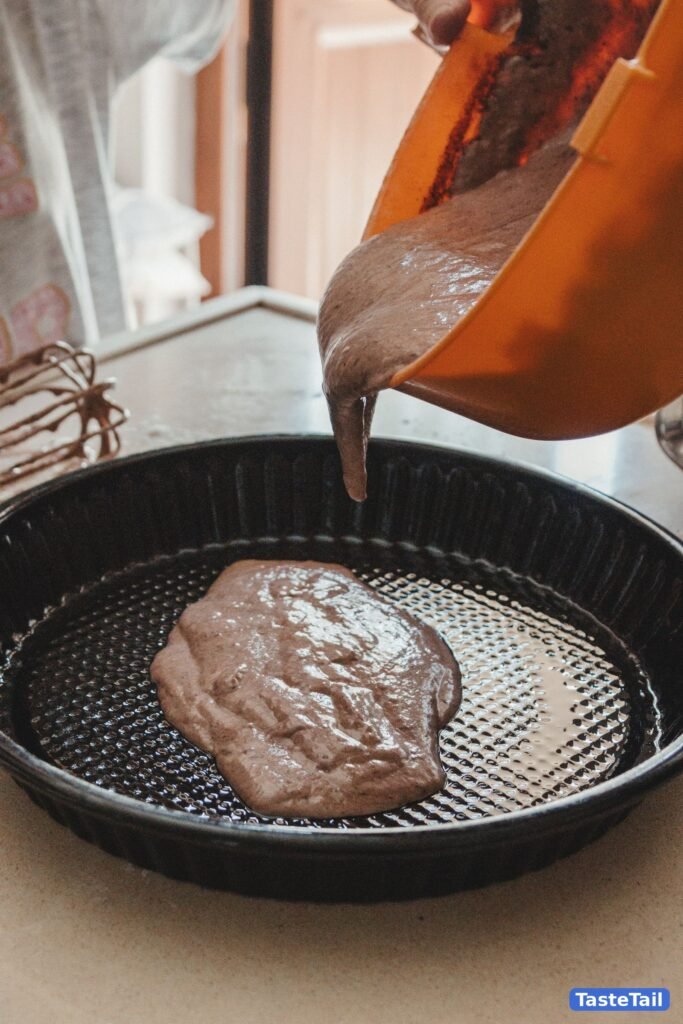
Melt the butter in a medium saucepan over low heat, or in a large microwave-safe bowl in short bursts. Once it is melted, remove it from the heat and stir in the sugar. The mixture will look grainy, and that is fine. Let it cool for two or three minutes, just until it is warm rather than hot. Then whisk in the eggs, one at a time, and the vanilla. This is the step that creates the crackly top, so do not rush it. Whisk each egg in properly, for about thirty seconds, until the batter looks glossy and smooth. The sugar needs time to dissolve into the eggs and butter, and that glossy surface is what becomes the thin crust on top.
Now sift in the cocoa powder, or simply sprinkle it over the batter and whisk it in until there are no lumps. Add the flour, salt, and baking powder, and fold them in with a spatula just until you cannot see any more dry flour. Stop there. Overmixing at this stage develops gluten and turns a fudgy brownie into a tough one. If you are adding chocolate chips or nuts, fold them in now, gently, with just a few strokes. The batter should be thick, dark, and glossy, and it should fall from the spatula in a slow ribbon.
Pour the batter into the prepared pan and spread it into the corners with the spatula. Smooth the top, but do not worry about making it perfect. The oven will do the levelling. Bake for twenty-two to twenty-six minutes. At twenty-two minutes, the brownies will be very fudgy and soft in the centre. At twenty-six, they will be set through with a firmer bite. Start checking at twenty-two minutes. A toothpick inserted into the centre should come out with moist crumbs clinging to it, not wet batter and not clean. Clean means overbaked. Moist crumbs mean perfect.
Let the brownies cool in the pan for at least twenty minutes, then lift them out using the parchment overhang and let them cool completely on a wire rack before cutting. I know this is the hardest part of the recipe. Warm brownies smell extraordinary, and the urge to cut into them immediately is strong. But they are still setting as they cool, and cutting them too soon will give you a crumbly mess rather than clean squares. If you want to serve them warm, wait twenty minutes, cut them, and serve them with ice cream. If you want neat squares for a lunchbox or a bake sale, wait until they are completely cool and use a sharp knife, wiping it clean between cuts.
Tips for the Best Brownies
Do not overbake. This is the single most important tip, and it is worth repeating. Brownies continue to cook a little in the hot pan after they come out of the oven, so pulling them out when they still look slightly underdone in the centre is exactly right. Set a timer, check early, and trust the toothpick test. Two extra minutes in the oven will not ruin them, but five will turn them dry, and there is no way back from dry.
Use a light-coloured metal pan if you have one. Dark pans absorb more heat and can overbake the edges before the centre is set. Glass pans also run hot and often need a lower temperature and a longer bake. An eight-inch light metal pan is the ideal here. If you only have a nine-inch pan, the brownies will be thinner and will bake faster, so start checking at eighteen minutes.
Measure the flour carefully. Too much flour is the other common cause of dry brownies. Spoon the flour into the measuring cup and level it off, rather than scooping from the bag. Half a cup is not a lot of flour, and an extra two tablespoons will change the texture noticeably. The same care applies to the cocoa. Level your measuring spoon, and do not be tempted to add extra cocoa without adding extra butter or sugar to balance it.
Let the batter rest for a minute or two before it goes into the oven. This is not essential, but it gives the flour time to hydrate and the sugar time to dissolve, which helps the crackly top form. While the batter rests, you can clean up the bowls and preheat the oven properly. It is a small pause that costs nothing and helps a little.
Serving Ideas
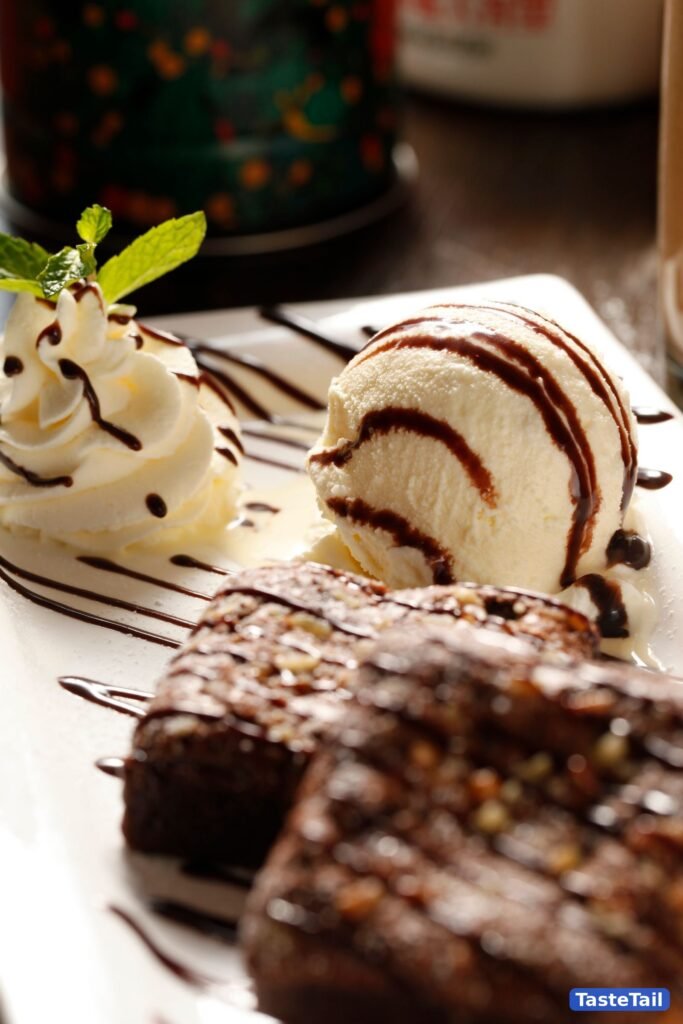
Brownies are wonderful on their own, but they are even better with a little company. The classic pairing is vanilla ice cream, and for good reason. The cold, creamy ice cream against a warm, fudgy brownie is one of the great simple desserts. Add a drizzle of chocolate sauce or salted caramel, a few chopped nuts, and you have something that would not look out of place in a restaurant. For a lighter option, serve them with fresh raspberries and a spoonful of whipped cream. The tartness of the berries cuts through the richness beautifully.
They are also ideal for sharing. Cut them into small squares for a party, stack them on a plate with a dusting of powdered sugar, and watch them disappear. They travel well, they keep well, and they are one of the few desserts that taste just as good the next day. If you are making them for a gathering, consider doubling the recipe and baking it in a nine-by-thirteen pan. The baking time will be a few minutes longer, but the method is exactly the same.
For a weeknight dinner, brownies are an easy win after something simple and satisfying. A main course like air fryer chicken parmesan or one-pan chicken alfredo leaves everyone happy, and a warm brownie at the end makes the evening feel special without any extra effort. If you have a friend who loves to bake, a batch of these alongside a batch of small batch chocolate chip cookies without brown sugar makes a lovely homemade gift, wrapped in parchment and tied with string.
Storage
Brownies keep well, which is one of their many virtues. Stored in an airtight container at room temperature, they will stay fudgy for three to four days. Put a piece of parchment between the layers if you are stacking them, so they do not stick together. In the fridge, they will keep for up to a week, though they will firm up when cold. Let them come to room temperature before serving, or warm them for ten seconds in the microwave for that just-baked softness.
They freeze beautifully. Cut them into squares, wrap each one in cling film, and put them in a freezer bag for up to three months. Thaw them at room temperature for an hour, or microwave a frozen brownie for twenty seconds. They are also wonderful crumbled over ice cream straight from the freezer, or used as the base for a brownie trifle with whipped cream and berries. Nothing goes to waste.
If your brownies do go a little dry, do not throw them away. Warm them gently and serve them with ice cream and chocolate sauce, or blitz them into crumbs and use them as a topping for yoghurt or a base for chocolate truffles. A dry brownie is still a chocolate brownie, and chocolate has a way of forgiving a great deal.
Variations
Once you have the base recipe, there are endless ways to change it. For salted caramel brownies, swirl three tablespoons of salted caramel sauce through the batter before baking and sprinkle flaky sea salt over the top. For peanut butter brownies, drop spoonfuls of peanut butter over the batter and swirl them through with a knife. For mint brownies, add half a teaspoon of peppermint extract and a handful of chopped mint chocolate. For espresso brownies, add a teaspoon of instant espresso powder with the cocoa. It will not make the brownies taste like coffee, but it will deepen the chocolate flavour in a wonderful way.
You can also change the texture. For a chewier brownie, use brown sugar as described above and bake for a minute or two longer. For a richer, darker brownie, use Dutch-process cocoa and add an extra handful of chocolate chips. For a lighter brownie, fold in a little extra egg white, though at that point you are moving towards cake, and that is a different dessert entirely. The recipe is forgiving, but the fudgy centre is the point, so keep the flour low and the baking time short.
For a festive version, add crushed candy canes at Christmas, or top the brownies with a simple chocolate ganache and sprinkles for a birthday. For a grown-up version, add a splash of bourbon or rum to the batter, or a pinch of chilli powder for a subtle warmth. The brownies will still be brownies, but they will taste like you made them specially, and that is the whole point of baking from scratch.
Frequently Asked Questions
Why do my brownies turn out cakey instead of fudgy?
Cakey brownies usually come from too much flour, too much baking powder, or too long in the oven. This recipe uses only half a cup of flour and a quarter of a teaspoon of baking powder, which keeps the texture dense. Make sure you measure the flour properly, do not overmix the batter, and check the brownies early. Pulling them out when the toothpick shows moist crumbs is the key to a fudgy centre.
How do I get the crackly top on brownies?
The crackly top comes from dissolving the sugar properly into the eggs and melted butter, and whisking the batter until it is glossy before you add the flour. Whisk each egg in for about thirty seconds, and let the butter and sugar mixture cool slightly before adding the eggs so they do not scramble. A hot oven and the right amount of sugar also help. If your top is not crackly, the batter was probably undermixed at the egg stage.
Can I double this brownie recipe?
Yes, double everything and bake it in a nine-by-thirteen-inch pan. The baking time will be a little longer, around twenty-eight to thirty-two minutes, so start checking at twenty-eight minutes. The brownies will be slightly thinner than the eight-inch version, but they will still be fudgy. Let them cool completely before cutting, and use parchment overhang to lift them out easily.
Can I make brownies without eggs?
You can, though the texture will be a little different. Replace each egg with a quarter of a cup of unsweetened applesauce or mashed banana, or use a commercial egg replacer according to the packet. The brownies will be denser and a little softer, and they may need a few extra minutes in the oven. They will still taste like chocolate, and for an egg-free household they are a good option.
How long do homemade brownies last?
At room temperature in an airtight container, brownies stay fresh for three to four days. In the fridge, they keep for up to a week, though they will firm up and need to come to room temperature before serving. In the freezer, wrapped individually, they keep for up to three months. They thaw quickly, so they are easy to keep on hand for unexpected guests or a sudden chocolate craving.
One thought on “Fudgy Brownies from Scratch”