
The first time I tasted lemon ricotta cake, I was sitting at a small table in a bakery I had wandered into by accident, the kind of place with a handwritten menu and a cake stand on the counter that you cannot stop looking at. I ordered a slice mostly because it looked beautiful — pale gold, dusted with powdered sugar, with a few raspberries scattered on top — and I was not expecting much. I was expecting a nice lemon cake. What I got was something else entirely. The crumb was soft and almost creamy, the lemon flavour was bright without being sharp, and the whole slice somehow tasted both rich and light at the same time. I sat there for a minute, genuinely surprised, and then I ordered a second slice to take home, because I knew I would be thinking about it all evening. When I got home, I started reading about how it was made, and that was when I learned the secret was not a trick at all. It was ricotta.
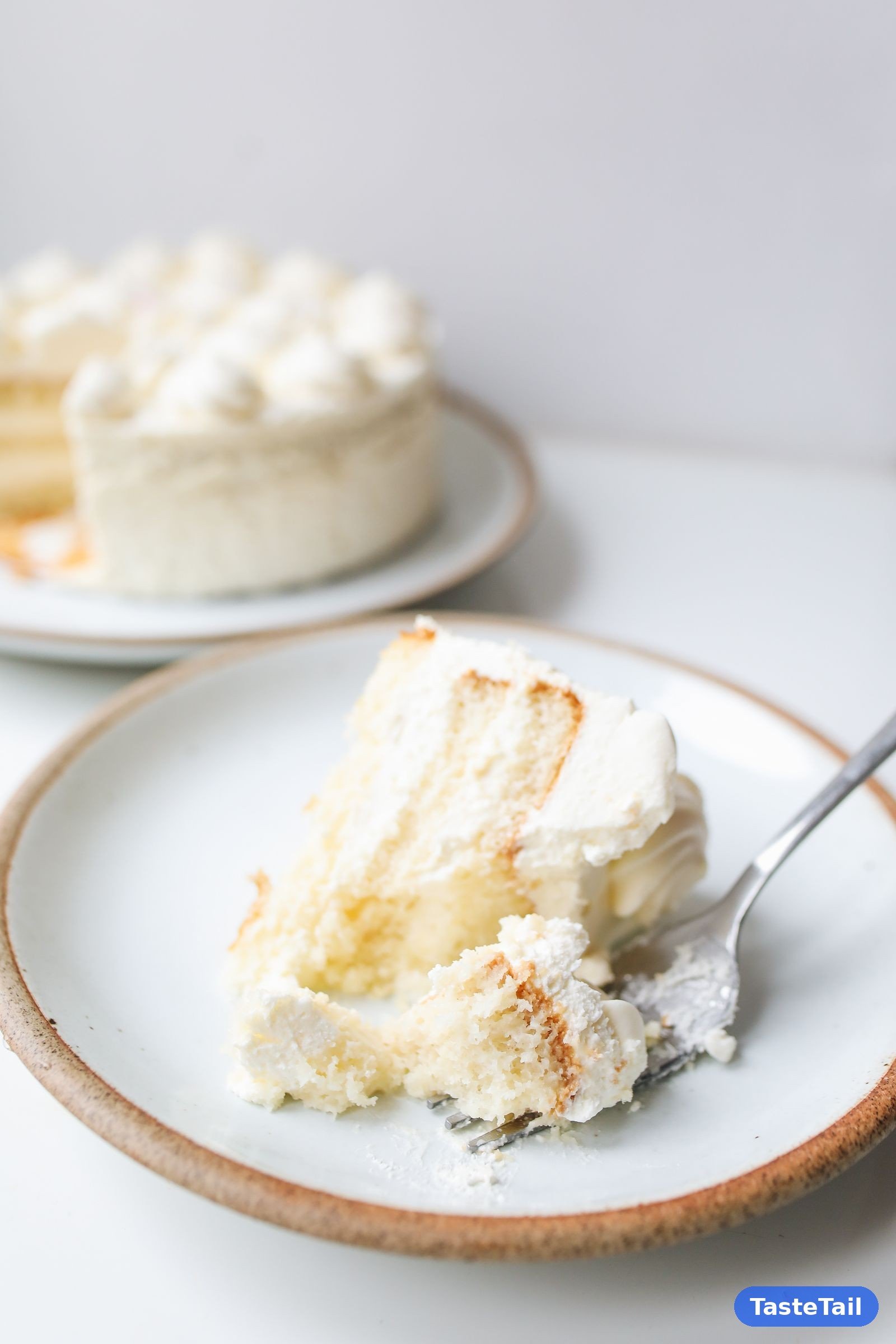
Ricotta is one of those ingredients that does quiet, wonderful work in baking. It is a soft Italian cheese, mild and creamy, and when you fold it into a cake batter it does two things at once: it adds moisture that stays in the cake long after baking, and it gives the crumb a tenderness that butter alone cannot quite manage. A cake made with ricotta does not dry out the way a plain sponge can. It stays soft for days, and it has a delicate, almost custardy quality in the middle that makes each bite feel special. You cannot really taste the cheese itself — there is no savoury note, nothing that says cheese — you just notice that the cake is softer, richer, and somehow more satisfying than an ordinary lemon cake. It is the same reason Italian bakers have been using ricotta in cakes and pastries for generations. It simply works.
Then there is the lemon, which is the other half of this cake’s personality. A lemon gives you two completely different things, and this recipe uses both. The zest — the thin yellow outer skin, grated finely — carries the lemon’s perfume, the bright, floral note that fills the kitchen while the cake bakes and lingers in every bite. The juice brings the sharpness, the acidity that cuts through the richness of the ricotta and the butter and keeps the cake from feeling heavy. You need both, and you need them fresh. Bottled lemon juice from a plastic bottle does not have the same flavour, and it never will. A real lemon, zested before it is juiced, gives you a cake that tastes like sunshine in the most literal sense — fresh, clean, and unmistakably lemony, without any of the artificial tang that comes from a bottle.
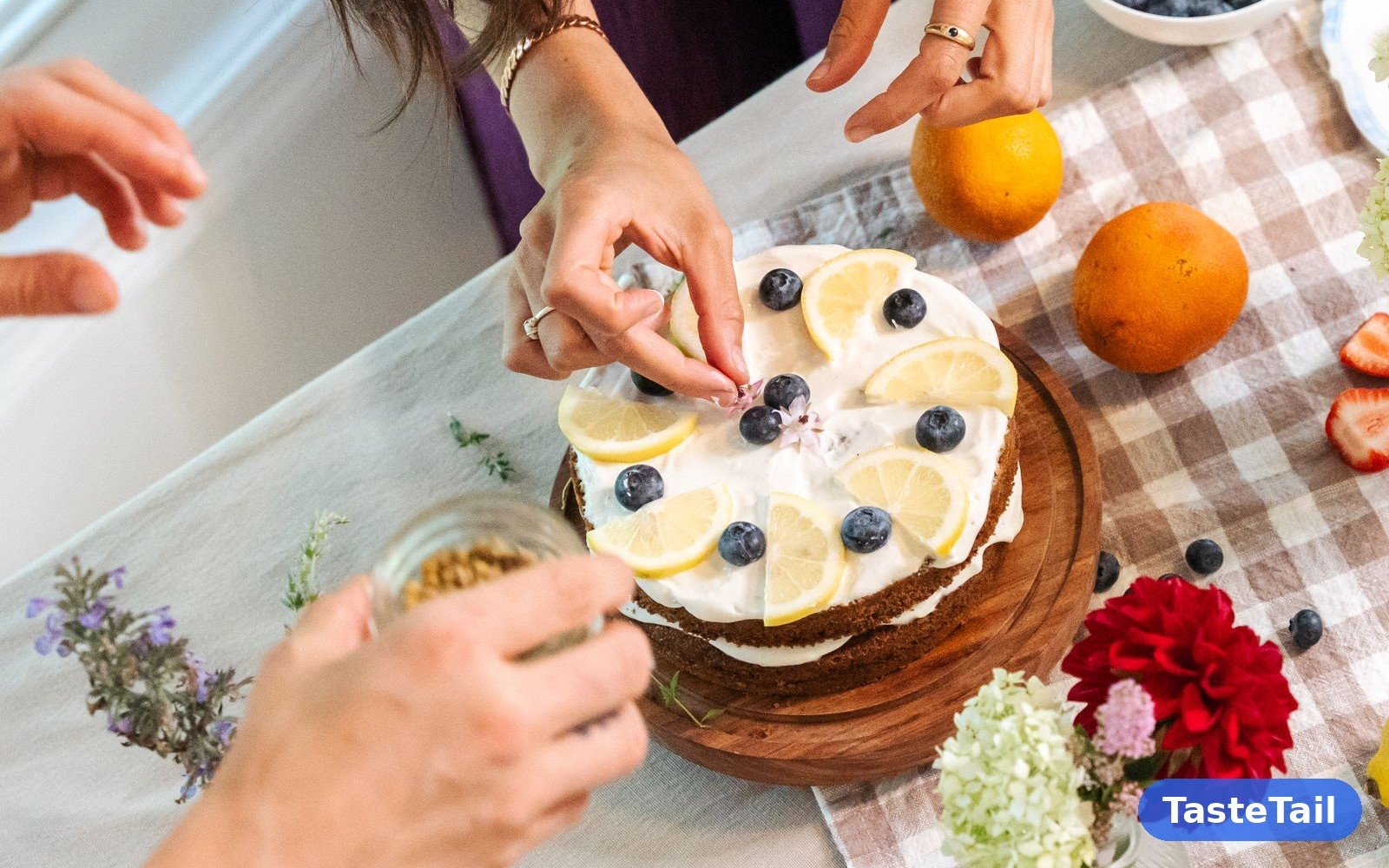
The berries are the finishing touch, and they matter more than they might seem. A pile of fresh raspberries, blueberries, and sliced strawberries on top of a pale lemon cake is not just decoration, though it certainly is beautiful. The berries bring a burst of tart sweetness and a little juice that soaks, very slightly, into the top of the cake, and their cool freshness is the perfect contrast to the soft, warm crumb underneath. I like to use a mix, because each berry brings something different — raspberries are tart and delicate, blueberries are sweet and firm, strawberries are juicy and familiar — and together they turn a simple cake into something that looks like it came from a patisserie window. In the summer, when berries are at their best and cheapest, this is the cake I make most often, and it never lasts more than a day in my house.
What I love most about this recipe, though, is how easy it is. For a cake that tastes this good, you would expect a long list of steps and a stand mixer and three bowls. In reality, it is one bowl, a whisk, and about fifteen minutes of work before the cake goes in the oven. There is no creaming butter for ten minutes, no separating eggs, no complicated technique. You whisk the wet ingredients together, fold in the dry ones, pour the batter into a pan, and bake. That is the whole recipe. It is the kind of cake you can make on a weekday evening when friends are coming over, or on a Sunday afternoon when you want the house to smell wonderful. And because it keeps so well, you can bake it the day before a party and it will still taste freshly made when you serve it.
Why This Lemon Ricotta Cake Works
The first reason is the ricotta itself, and it is worth understanding what it actually does in the batter, because it explains why this cake is so different from a regular lemon sponge. Ricotta is mostly water and milk proteins, and when it bakes, that moisture turns to gentle steam inside the cake, keeping the crumb soft and tender all the way through. At the same time, the milk proteins and the small amount of fat in the ricotta enrich the batter, giving it a fine, velvety texture. The result is a cake that is moist without being wet, rich without being heavy, and soft in a way that a cake made with only butter and milk rarely achieves. It is also forgiving: if you overbake it by a few minutes, the ricotta’s moisture gives you a margin of error that a drier cake would not.
The second reason is the balance of lemon. A lot of lemon cakes go wrong in one of two directions — either they are so timid with the lemon that you can barely taste it, or they are so sharp that your mouth puckers. This recipe sits in the middle, and the secret is using the zest generously and the juice carefully. Two whole lemons’ worth of zest goes into the batter, which sounds like a lot until you taste the result: a warm, fragrant lemon flavour that runs all the way through the cake rather than sitting on top of it. The juice, on the other hand, is measured — three tablespoons, no more — because too much acid can toughen the crumb and make the cake taste sour instead of bright. It is a small detail, but it is the difference between a cake that tastes fresh and one that tastes sharp.
Third, the texture. This is not a light, airy sponge cake, and it is not a dense pound cake either. It sits somewhere lovely in between: a fine, tight crumb that is soft and slightly creamy, with a golden crust that is just firm enough to give the slice some structure. It holds together beautifully when you cut it, which matters more than it sounds like it should, because a cake that crumbles when you slice it is a cake that ends up eaten over the sink. If you like soft, tender desserts, our easy strawberry shortcake has a similar gentle crumb and the same kind of fresh fruit on top, and it is a good companion recipe for berry season. But this ricotta cake has a richness that shortcake does not, and it keeps better, which makes it the one I reach for when I am baking ahead.
Fourth, the berries are not an afterthought here. A lot of cakes treat fruit as a garnish — a few berries placed on top for a photograph, then forgotten. In this recipe, the berries are part of how the cake is meant to be eaten. You take a forkful of cake and a berry together, and the cool, tart juice of the berry against the soft, lemony crumb is what makes the whole thing work. That is why the recipe calls for a generous amount of berries, not a token handful, and why I recommend a mix rather than a single type. The contrast is the point. And if you macerate the berries — toss them with a spoonful of sugar and a squeeze of lemon juice and let them sit for fifteen minutes — they soften slightly and release their juices, which makes them even better against the cake.
Finally, the pan. This cake bakes in a springform pan, and that choice is not just about looks. A springform pan lets you release the cake without turning it upside down, which matters for a soft cake like this one, because flipping a tender ricotta cake out of a regular pan risks cracking it. The springform also gives you those lovely straight sides and a clean, professional shape, so the cake looks beautiful with nothing more than a dusting of powdered sugar and the berries on top. If you do not own a springform pan, a regular round cake pan lined with parchment will work, but be gentle when you turn it out, and let it cool a little longer first.
Ingredients
The ingredient list is short, and every item earns its place. The ricotta matters most, so buy the best you can find — whole milk ricotta, sold in a tub, is ideal. Avoid the low-fat kind, which is watery and will make the batter too loose, and if you can find fresh ricotta from a deli or a cheese counter, it is worth the small extra cost. The butter should be unsalted and properly softened, which means leaving it on the counter for an hour, not melting it in the microwave. And the lemons should be unwaxed if you can find them, since you are eating the zest — give them a good wash in warm water and dry them before you start.
- 1 1/2 cups (190 g) all-purpose flour
- 1 1/2 teaspoons baking powder
- 1/2 teaspoon fine salt
- 3/4 cup (170 g) unsalted butter, softened
- 1 1/4 cups (250 g) granulated sugar
- 3 large eggs, at room temperature
- 1 1/2 cups (375 g) whole milk ricotta cheese
- Zest of 2 lemons, finely grated
- 3 tablespoons fresh lemon juice
- 1 teaspoon vanilla extract
- 1/2 teaspoon almond extract (optional, but lovely)
- 1 1/2 cups mixed fresh berries (raspberries, blueberries, sliced strawberries)
- 1 tablespoon granulated sugar, for the berries
- Powdered sugar, for dusting
To serve (optional but recommended):
- Lightly sweetened whipped cream or mascarpone
- Extra berries, for the table
- Lemon curd, for drizzling
- Fresh mint leaves, for garnish
How to Make Lemon Ricotta Cake with Berries
Start by getting the oven and the pan ready, because this batter comes together quickly and you do not want to be greasing a pan with a bowl of batter waiting. Heat the oven to 350°F (175°C) and butter a 9-inch springform pan, then line the bottom with a round of parchment paper and butter the parchment too. A light dusting of flour over the buttered sides helps the cake release cleanly, but it is not essential if you have greased the pan well. Set the pan aside and wash and dry your lemons. Zest them first, before you cut them — it is almost impossible to zest a lemon half — then juice one of them until you have three tablespoons. Measure out the ricotta, and if it looks watery, give it a quick stir; a little liquid on top is normal.
Whisk the flour, baking powder, and salt together in a medium bowl and set it aside. In a large bowl, beat the softened butter and sugar together with a whisk or a hand mixer for two to three minutes, until the mixture is pale, fluffy, and noticeably lighter in colour. This is the one step worth doing properly, because beating air into the butter and sugar is what gives the cake its lift. Add the eggs one at a time, beating well after each one, and scrape down the sides of the bowl as you go. Then add the ricotta, the lemon zest, the lemon juice, the vanilla, and the almond extract if you are using it, and beat everything together until it is smooth and creamy. The batter will look slightly curdled at this point, and that is completely normal — the ricotta and the lemon juice do that, and it smooths out as soon as the flour goes in.
Add the flour mixture in two parts, folding it in gently with a spatula rather than beating it. Stir just until you cannot see any more dry flour, and then stop. Overmixing is the single easiest way to ruin this cake, because it develops the gluten in the flour and turns a tender crumb into a tough one. A few small lumps are fine — they will disappear in the oven. The batter will be thick and soft, thicker than a sponge cake batter and softer than a cookie dough, and it should drop off the spatula in slow ribbons. Pour it into the prepared pan and smooth the top with the back of a spoon or an offset spatula, pushing the batter slightly higher at the edges than in the centre, which helps the cake bake flat instead of doming.
Bake for 40 to 45 minutes, until the top is golden and a toothpick or a thin skewer inserted into the centre comes out clean or with just a few moist crumbs attached. The cake will have risen and set, and the edges will have pulled away very slightly from the sides of the pan. If the top is browning too quickly — if it looks dark golden at thirty minutes — lay a loose sheet of foil over the top for the remaining time. Do not open the oven door in the first twenty-five minutes, because the cake is still setting and a blast of cool air can make it sink in the middle. When it is done, take it out and let it cool in the pan on a wire rack for fifteen minutes, then release the springform ring and let the cake cool completely before you decorate it.
While the cake cools, prepare the berries. Put the mixed berries in a bowl, sprinkle over the tablespoon of sugar and a squeeze of lemon juice, and toss them very gently — raspberries crush easily, so use a light hand. Leave them to sit for ten to fifteen minutes, which is just enough time for the sugar to draw out a little of their juice and make a light, natural syrup in the bottom of the bowl. When the cake is completely cool, dust the top generously with powdered sugar through a small sieve, then pile the berries in the centre, letting a few tumble down the sides, and spoon a little of the berry juice over the top. That is all the decoration this cake needs. It looks beautiful, it tastes even better, and it took five minutes.
Slice the cake with a long, sharp knife, wiping the blade clean between cuts so each slice comes out neat. The crumb is soft and moist, so a gentle sawing motion works better than pressing straight down. Serve each slice with a spoonful of the macerated berries and their juice, and a dollop of whipped cream if you like. The cake is wonderful at room temperature, which is how I usually serve it, but it is also lovely very slightly warm, about twenty minutes out of the oven, when the crumb is at its softest and the lemon smells incredible. Either way, expect it to disappear fast.
Tips for a Perfect Ricotta Cake
Drain watery ricotta before you start. If you open the tub and there is a pool of liquid on top, that is whey, and too much of it will make your batter loose and your cake heavy. Spoon the ricotta into a fine sieve set over a bowl, let it sit for ten minutes, and discard the liquid that drains out. You do not need to press it or squeeze it — just let gravity do the work. Fresh ricotta from a deli rarely needs this step, but supermarket tubs often do, and it takes almost no time. This one small step is the difference between a cake that is moist and a cake that is soggy.
Use room-temperature eggs and ricotta. Cold eggs do not mix smoothly into creamed butter and sugar — they make the batter seize up and look curdled, and the cake bakes unevenly. Take the eggs and the ricotta out of the fridge at least half an hour before you start, or put the eggs in a bowl of warm water for ten minutes if you forgot. The butter matters too: it should be soft enough that your finger leaves a dent when you press it, but not so soft that it is greasy or melting. Properly softened butter creams into a pale, fluffy mixture in two minutes; cold butter stays lumpy, and melted butter makes a greasy cake.
Do not overbake it. This cake is at its best when the centre is just set, with a toothpick coming out with a few moist crumbs, not bone dry. Ricotta cakes continue to cook a little from the residual heat after they come out of the oven, so taking it out when it looks just done — rather than waiting until it looks very done — gives you the softest crumb. If you are unsure, check it at forty minutes, and then every three minutes after that. An overbaked ricotta cake is still edible, but it loses the creamy tenderness that makes this cake special, and no amount of berries on top will bring it back.
Zest only the yellow part of the lemon. The white pith underneath the zest is bitter, and even a little of it in the batter will add a harsh note that no amount of sugar can fix. Use a fine grater or a microplane, and use light, quick strokes, turning the lemon as you go so you only take the thin yellow skin. Two lemons should give you about two tablespoons of zest, which is exactly what this recipe needs. And zest before you juice — once a lemon is cut in half, zesting it becomes a fiddly, slippery job that nobody enjoys.
Serving Ideas
The classic way to serve lemon ricotta cake is simple: a slice on a plate, a pile of berries on top, and a cup of coffee or tea alongside it. It needs nothing else, and honestly it deserves nothing else — the cake is the star, and a fussy presentation would only get in the way. But if you are serving it at a dinner party, a few small touches make it feel like an occasion. A spoonful of lemon curd drizzled over the slice adds a bright, tangy note. A dollop of mascarpone, lightly sweetened and whipped, is richer than cream and pairs beautifully with the ricotta in the cake. And a few mint leaves scattered over the berries add colour and a fresh, cool flavour that works surprisingly well with lemon.
For a full dessert table, this cake sits happily alongside other make-ahead desserts. Our easy chocolate mousse with whipped cream is a good partner — the dark, rich chocolate against the bright, lemony cake gives guests a real choice, and both can be made the day before. If you are planning an afternoon tea, serve thin slices of the ricotta cake with a pot of Earl Grey, some shortbread, and a bowl of berries on the table, and let people help themselves. It is the kind of cake that suits a slow afternoon, a second cup of tea, and a conversation that goes on a little longer than planned.
Variations to Try
Once you have made the basic recipe, it is easy to change the fruit. In the autumn, try it with sliced pears and a pinch of cinnamon in the batter, or with stewed plums spooned over the top instead of fresh berries. In the winter, blood oranges make a beautiful topping — slice them thinly and arrange them in overlapping circles over the cake, and the deep red against the pale gold is stunning. In the summer, try peaches or nectarines, sliced thin and macerated with a little sugar, or a mix of cherries and raspberries. The cake itself is a blank canvas for whatever fruit is in season, and the lemon and ricotta base works with almost all of them. Just keep the total amount of fruit on top to about a cup and a half, or the cake will get soggy underneath.
You can also change the flavour of the cake itself. A tablespoon of poppy seeds folded into the batter gives it a gentle crunch and a classic lemon-poppyseed flavour. A little almond flour — replace a quarter cup of the all-purpose flour with almond flour — makes the crumb even more tender and adds a subtle nutty note that works beautifully with the lemon. For chocolate lovers, a handful of white chocolate chips folded into the batter melts into sweet pockets that contrast nicely with the tart berries, and if you want a fully chocolate dessert instead, our fudgy brownies from scratch are the recipe to reach for. And for a gluten-free version, a good one-to-one gluten-free flour blend works well here — the ricotta keeps the crumb moist, which is exactly where gluten-free cakes usually struggle.
Storing and Freezing
This cake keeps remarkably well, which is one of its best qualities. Without the berries on top, it will stay moist for three to four days at room temperature, wrapped tightly in plastic wrap or kept in an airtight container. The ricotta’s moisture is what makes this possible — most cakes dry out after a day, but this one barely changes. With the berries on top, it is best eaten within a day, because the berry juice slowly soaks into the cake. If you are making it ahead for a party, bake the cake the day before, keep it wrapped, and add the berries and the powdered sugar just before serving. It will taste as though you baked it that morning.
It also freezes well, which makes it a useful cake to have in the freezer. Let it cool completely, wrap it tightly in two layers of plastic wrap and then a layer of foil, and freeze it for up to two months. Thaw it overnight in the fridge, then bring it to room temperature before serving, and add fresh berries on top. The texture after thawing is almost exactly the same as fresh, which is rare for a cake and another gift of the ricotta. Do not freeze the cake with the berries already on top — they go soft and watery when thawed — and do not freeze individual slices with whipped cream, which does not survive the freezer at all.
Frequently Asked Questions
Can I use low-fat ricotta for this cake?
You can, but the result will not be as good. Low-fat ricotta has more water and less fat, which means a wetter batter and a less rich crumb, and the cake can turn out slightly rubbery instead of tender. Whole milk ricotta is worth seeking out for this recipe, because the fat is part of what makes the crumb so soft. If low-fat is all you can find, drain it well in a sieve first to remove as much liquid as possible, and expect a slightly lighter, less rich cake — still tasty, but not quite the same.
Why did my ricotta cake sink in the middle?
Usually because the oven door was opened too early, or because the cake was underbaked. Ricotta cakes are soft and delicate while they bake, and a blast of cool air in the first twenty-five minutes can make the centre collapse. The other common cause is too much moisture — watery ricotta that was not drained, or too much lemon juice — which makes the batter too wet to set properly. Drain the ricotta, measure the juice carefully, and resist the urge to peek until the cake has had at least twenty-five minutes in the oven.
Can I make this cake without a springform pan?
Yes. A regular 9-inch round cake pan works, as long as you line the bottom with parchment and grease the sides well. Let the cake cool for twenty minutes before turning it out, and run a thin knife around the edge first to loosen it. Be gentle — this is a soft cake, and it can crack if it is turned out while it is still warm. A springform pan is easier and gives a cleaner shape, but it is not essential, and the cake will taste exactly the same either way.
What berries work best on top?
A mix is best — raspberries, blueberries, and sliced strawberries together give you different flavours, colours, and textures in every bite. Raspberries are the most delicate, so add them last and handle them gently. Blueberries are the sturdiest and hold up well. Strawberries should be hulled and sliced, not left whole, so they sit nicely on the cake. Blackberries work too, though they can stain the powdered sugar if they sit for a while. Frozen berries are not a good substitute here — they go soft and release too much juice, which makes the top of the cake soggy.
Can I make this cake ahead of time?
Absolutely, and it is one of the best cakes for making ahead. Bake it up to two days in advance, let it cool completely, and keep it wrapped tightly at room temperature. Add the powdered sugar and the berries just before serving. You can also freeze the undecorated cake for up to two months — thaw it overnight in the fridge and bring it to room temperature before you decorate it. The flavour actually improves slightly after a day, as the lemon mellows into the crumb.
Is this cake very sweet?
No, and that is deliberate. The cake itself is only lightly sweet, because the tartness of the berries and the brightness of the lemon are meant to shine. The powdered sugar on top and the spoonful of sugar on the berries add just enough sweetness to balance everything. If you have a very sweet tooth, you can increase the sugar in the batter by a quarter cup, but I would not go further than that — the cake’s charm is in its balance, and too much sugar makes the lemon disappear. Serve it with sweetened whipped cream if you want a little extra sweetness on the side.
Can I use a different citrus instead of lemon?
Yes, and it works beautifully. Orange zest and juice give the cake a sweeter, rounder flavour that is lovely with raspberries. Lime makes it sharper and more fragrant, and it pairs wonderfully with blueberries. Blood orange, when it is in season, gives the cake a gorgeous colour and a flavour that is somewhere between orange and raspberry. Use the same quantities — the zest of two fruits and three tablespoons of juice — and keep everything else the same. The ricotta base is flexible, and each citrus gives the cake a slightly different personality.
Final Thoughts
Lemon ricotta cake with berries is one of those recipes that earns its place in your regular baking rotation quietly, without any drama. It is not a showpiece that takes all day, and it is not a novelty that you make once and forget. It is a genuinely good cake — soft, lemony, moist for days — that happens to be easy enough to make on a weeknight and pretty enough to serve at a party. Once you have made it, you will find yourself making it again whenever lemons are cheap and berries are in season, and you will probably start experimenting with the variations, because the base recipe invites it. If you are looking for another easy dessert to try next, our no-bake peanut butter pie is just as simple and just as crowd-pleasing, and it needs no oven at all. But first, make this cake. Zest the lemons, fold in the ricotta, pile on the berries, and enjoy the small, quiet pleasure of a cake that tastes like it came from a little Italian bakery — because in a way, it did.