
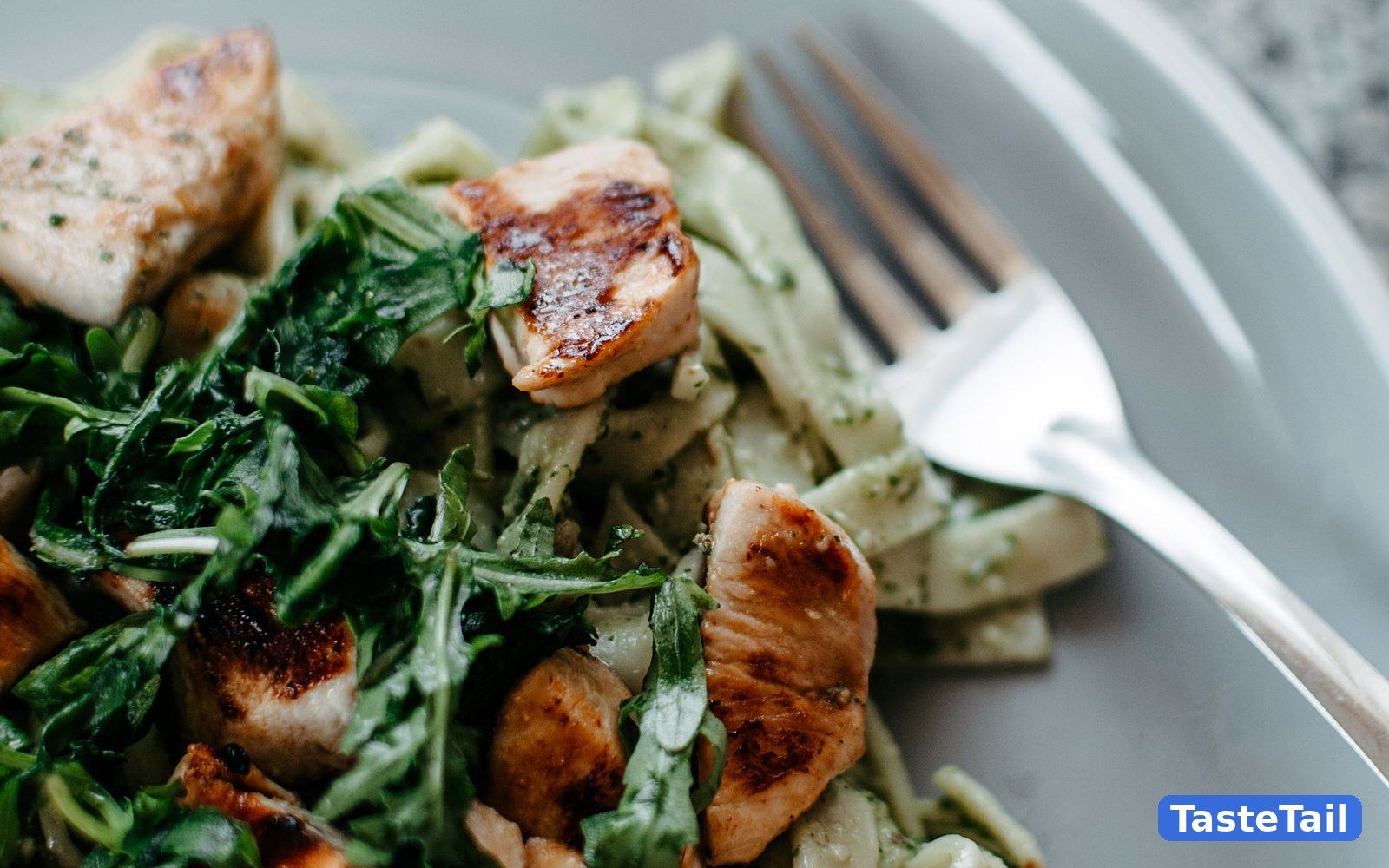
Some dinners earn a permanent spot in the weekly rotation after a single try, and this baked pesto chicken is one of them. It is the kind of meal that looks impressive coming out of the oven — golden, bubbling mozzarella, bright green pesto peeking out from under the cheese, cherry tomatoes gone soft and jammy at the edges — yet it asks almost nothing of you. Ten minutes of prep, one baking dish, and about twenty-five minutes in the oven. That is the whole story.
I first made a version of this on a night when the fridge was nearly empty and dinner needed to happen anyway. There was a jar of pesto left over from a pasta night, a block of mozzarella, and four chicken breasts that had been defrosting since lunchtime. It felt like a gamble, honestly. Pesto can be bossy, and chicken breasts can dry out in the oven if you look at them wrong. But the result was so good — juicy chicken, salty-sweet melted cheese, that herby punch of basil — that it has been in our regular rotation ever since. Friends who have tried it at our table have asked for the recipe more times than I can count, and every time I laugh a little, because there is barely a recipe to give. It is more of an assembly job than actual cooking, and that is exactly the point.
What makes this dish work so well is the way the three main ingredients take care of each other. The pesto does the seasoning work for you, so there is no long marinade and no fiddly spice blend to measure out. The mozzarella melts into a blanket that keeps the moisture in the chicken while it bakes, which is the real secret to avoiding dry chicken breasts. And the cherry tomatoes, if you add them, roast down into little pockets of sweetness that cut through the richness of the cheese. Together they taste like something from a small Italian restaurant, the kind of place where the menu is short and everything on it is good.
This is also a genuinely forgiving recipe, which matters on busy weeknights. If your chicken breasts are thick, you pound them a little thinner and they cook evenly. If you only have pesto from a jar, it works beautifully. If you want to use fresh mozzarella, go ahead; if all you have is the low-moisture block from the dairy aisle, that works too, and honestly it melts more evenly. You can add vegetables to the same dish, swap in chicken thighs, or scale it up for guests without changing a thing about the method. It is a recipe that bends without breaking, and after a long day, that is exactly what dinner should do.
If you are cooking for a family, this one tends to please everyone, including the picky eaters. The flavours are familiar — chicken, cheese, tomato, basil — with nothing strange or challenging in the mix. Kids tend to love the melted cheese on top, and adults appreciate that it does not taste like a compromise dinner. Serve it with a simple salad and some crusty bread, or over pasta, and you have a complete meal that feels like a proper dinner rather than something thrown together. Nobody at the table needs to know it took you ten minutes to put together.
Why This Baked Pesto Chicken Works So Well
There are plenty of baked chicken recipes out there, and most of them are fine. This one is better than fine, and the reasons are simple enough that they are worth knowing, because they will help you with other chicken recipes too. First, the pesto acts as both a marinade and a sauce. The oil in the pesto coats the chicken and keeps it moist in the oven’s dry heat, while the basil, garlic, Parmesan, and pine nuts season the meat all the way through. Because the pesto goes on before baking, the flavours have the whole cooking time to sink in, rather than sitting on top like an afterthought.
Second, the mozzarella does real work beyond tasting good. A layer of cheese over the chicken traps steam underneath it, which is one of the best defences against dry chicken breast. It also browns in spots under the heat, giving you those golden, slightly crispy edges that make the dish look and taste like it came from a restaurant. Using low-moisture mozzarella gives you the most reliable melt, while fresh mozzarella gives you those lovely creamy pools — either way, the cheese is doing its job.
Third, the whole thing cooks in a single dish, which means less washing up and more even cooking. The chicken sits in its own juices with the tomatoes, and those juices mingle with the pesto oil to make a light sauce at the bottom of the dish that is far too good to leave behind. Spoon it over the chicken when you serve, or mop it up with bread. This is the kind of small detail that turns a quick dinner into a memorable one.
Finally, the timing is forgiving in a way that matters in real kitchens. A few minutes over will not ruin it, thanks to the pesto and cheese protecting the meat, and a few minutes under is easy to catch with a quick temperature check. It is a recipe that respects the fact that you might be helping with homework, answering the door, or just tired while it cooks. You do not need to hover over it.
Ingredients
You only need a handful of things for this recipe, and most of them are probably already in your kitchen. The list is short on purpose — when a recipe has three strong flavours doing the work, you do not need twenty supporting players. Buy the best pesto you can find or make your own if you have a few minutes; either way, taste it first, because pesto varies a lot in saltiness from brand to brand, and that will affect how much extra seasoning the chicken needs.
- 4 boneless, skinless chicken breasts (about 6 to 8 ounces each)
- 1 teaspoon kosher salt
- 1/2 teaspoon black pepper, freshly ground if you have it
- 1/2 teaspoon garlic powder
- 1/2 teaspoon Italian seasoning
- 2 tablespoons olive oil
- 1/2 cup basil pesto, store-bought or homemade
- 1 1/2 cups shredded low-moisture mozzarella cheese
- 1 cup cherry tomatoes, halved
- 1/4 cup grated Parmesan cheese
- 2 tablespoons pine nuts, optional but lovely
- Fresh basil leaves, for serving
- 1 lemon, cut into wedges, for serving
A quick note on the chicken: try to choose breasts that are roughly the same size so they finish cooking at the same time. If one is much thicker than the others, that is the one that will still be pink in the middle when the rest are done. Pounding them to an even thickness is the easiest fix, and it takes about a minute. Place each breast between two sheets of plastic wrap or parchment paper and give it a few firm taps with a rolling pin or the flat side of a meat mallet until it is about three-quarters of an inch thick all over. This one step makes the biggest difference to how evenly and juicily your chicken cooks, and it is worth doing every time you bake chicken breasts.
For the pesto, a good jarred pesto is completely fine here, and I use it most weeknights myself. If you have a garden full of basil in the summer, homemade pesto is wonderful, and the Serious Eats guide to making pesto is a great place to start if you have never made it before. The key thing either way is that the pesto should taste bright and herby, not dull or overly oily. If your jarred pesto tastes a little flat, stir in a squeeze of lemon juice and an extra pinch of salt before you use it — that small adjustment wakes it right up.
How to Make Baked Pesto Chicken with Mozzarella
This recipe comes together in two stages: a quick prep stage and a hands-off baking stage. Once the dish is in the oven, your work is basically done, which makes it a great recipe to start while the oven preheats and a salad comes together on the side. Read through the steps once before you start so there are no surprises, and have your baking dish ready before the chicken comes out of the fridge.
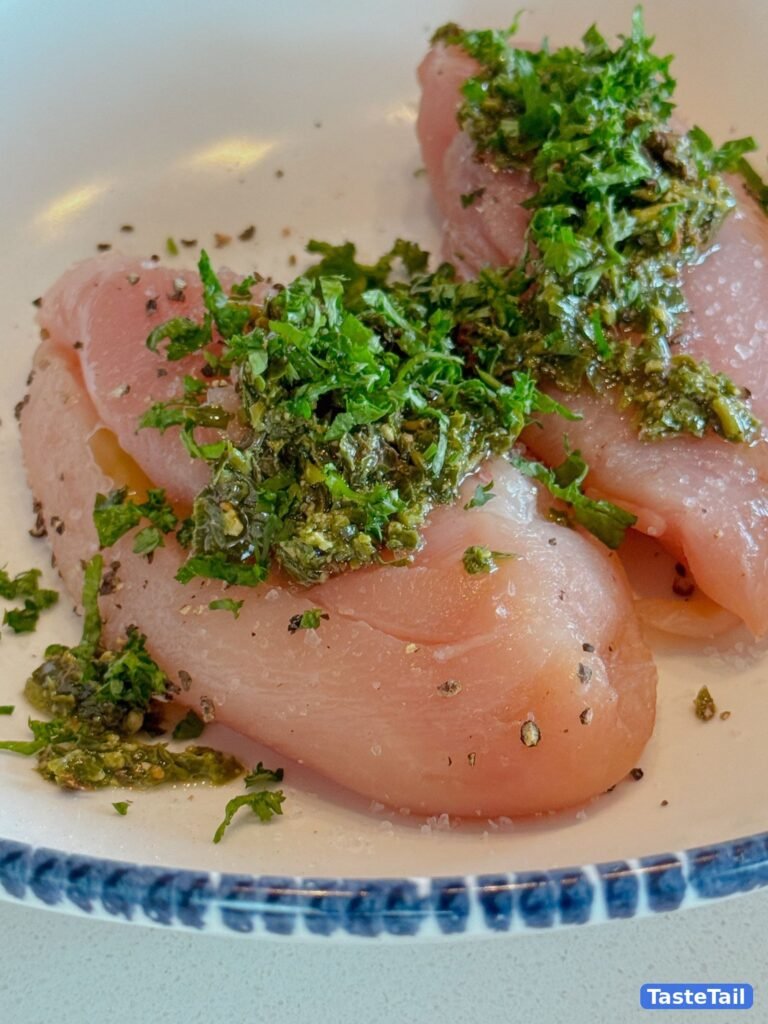
Start by heating your oven to 400°F (200°C). A hot oven is important here because it helps the cheese brown and the chicken cook quickly before it has a chance to dry out. While the oven heats, lightly oil a 9×13-inch baking dish or a similarly sized ovenproof dish. You do not need much oil — just enough to keep the chicken from sticking and to help the bottom brown a little.
Pat the chicken breasts dry with paper towels. This step is easy to skip and a mistake to skip: moisture on the surface of the chicken steams instead of browning, and it also stops the seasoning from sticking properly. Take the extra thirty seconds. Once the chicken is dry, season both sides with the salt, pepper, garlic powder, and Italian seasoning. If you pounded the breasts to an even thickness, season them after pounding, since pounding can push seasoning off.
Place the seasoned chicken breasts in the prepared baking dish in a single layer, leaving a little space between them. They do not need to be far apart, but if they are crowded together they will steam instead of roast, and you will lose that lovely golden edge. Drizzle the olive oil over the top, then spread about two tablespoons of pesto over each breast, using the back of a spoon to coat the top evenly. Do not worry about making it perfect — the pesto will spread and settle as it warms in the oven.
Scatter the halved cherry tomatoes around and between the chicken breasts, not on top of the pesto, so they roast in the juices at the bottom of the dish. Then sprinkle the shredded mozzarella generously over each breast, covering the pesto completely. The cheese layer should be thick enough that you cannot see much green peeking through. Finish with the grated Parmesan over the top, which adds a salty, savoury crust as it bakes, and the pine nuts if you are using them.
Bake uncovered for 22 to 28 minutes, depending on the thickness of your chicken. The dish is done when the chicken reaches an internal temperature of 165°F (74°C) at its thickest point and the cheese is melted, bubbling, and golden in spots. If you do not own a meat thermometer, this is the recipe that will convince you to get one — it is the single most reliable way to know your chicken is cooked through without cutting into it and losing all those juices. The USDA safe minimum internal temperature for chicken is 165°F, and it applies to the thickest part of the breast, away from the bone (though there is no bone here, the thickest point is still the place to check).
If the cheese is melted but not yet golden on top, switch the oven to broil for the last one to two minutes and watch it closely. Cheese goes from golden to burnt very quickly under the broiler, so stay by the oven and pull the dish out the moment the spots turn a deep gold. Let the chicken rest in the dish for five minutes before serving. This rest matters: the juices redistribute through the meat instead of running out onto the plate the moment you cut in, and five minutes is the difference between a juicy breast and a dry one. Spoon some of the pan juices over each piece as you serve it.
Tips for the Juiciest Baked Pesto Chicken
The difference between good baked chicken and great baked chicken usually comes down to a few small habits rather than any secret ingredient. The first is the one already mentioned: pound the breasts to an even thickness. A breast that is thick at one end and thin at the other will always be overcooked at the thin end by the time the thick end is safe to eat. Evening it out is the single best thing you can do, and it takes a minute.
The second habit is using a meat thermometer and trusting it. Chicken breasts are done at 165°F, and they start drying out quickly beyond that. If you pull the chicken at 160°F and let it rest for five minutes, carryover cooking will bring it up to temperature while it rests — this is a technique many good cooks use, though if you are at all unsure, just cook it to 165°F and rest it anyway. What you should not do is cook by time alone, because breasts vary so much in size that a time on a recipe card is only ever an estimate.
Third, do not skimp on the cheese layer. It might look like a lot of mozzarella going on, but it is doing structural work: it seals in moisture and gives you the golden top that makes the dish. If you are watching the richness, you can use part-skim mozzarella, which melts just as well, and you can go lighter on the Parmesan. What you should not do is use pre-shredded cheese that is heavily coated in anti-caking starch if you can avoid it — it melts less smoothly. A block you shred yourself melts into a silkier blanket, and it only takes a minute.
Fourth, think about your baking dish. Glass and ceramic dishes are perfect here because they hold heat gently and evenly, and they look nice enough to bring straight to the table. A metal pan works too, but it can cook the bottom a little faster, so check a couple of minutes earlier if you use one. And whatever dish you use, do not cover it with foil while it bakes — the whole point of the open dish is that the cheese can brown and the tomatoes can roast. Covering it traps steam and leaves you with pale cheese and watery tomatoes.
Finally, season the chicken before the pesto goes on, even though the pesto itself is salty. The pesto seasons the top, but the underside of the chicken touches the dish, not the sauce, and without its own seasoning it can taste bland. A light hand is enough — the pesto and Parmesan bring plenty of salt — but do not skip it entirely. Taste your pesto first, then decide how much salt the chicken needs. A very salty jarred pesto means a lighter hand on the chicken; a mild homemade pesto means you can season a little more generously.
Serving Ideas
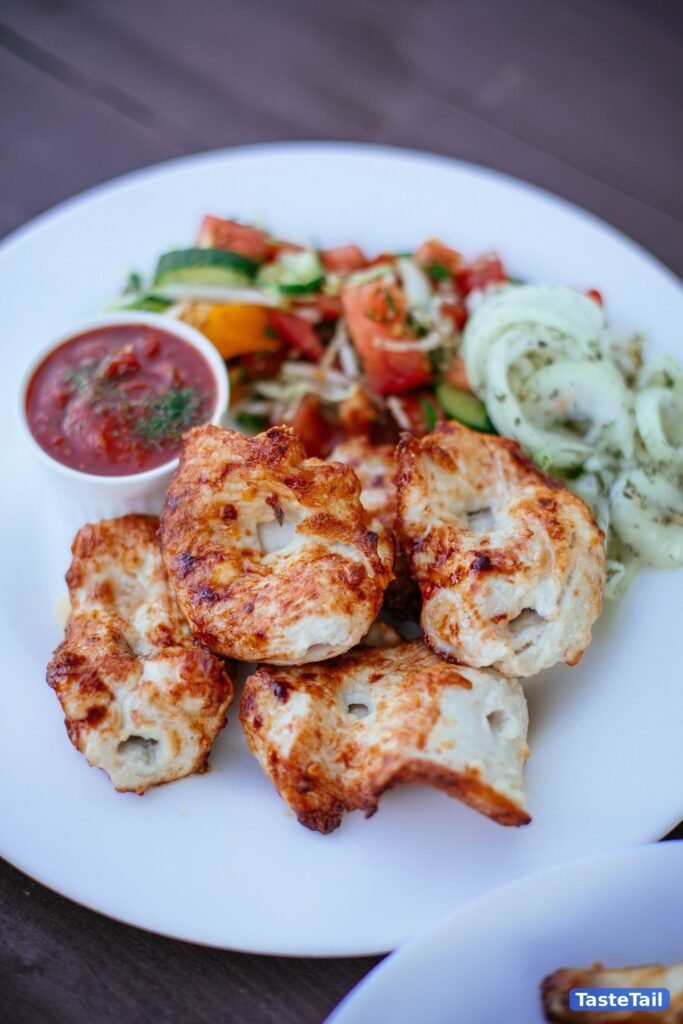
This chicken is at its best served straight from the baking dish, family style, with the pan juices spooned over the top and a pile of fresh basil scattered over everything. It is a generous, welcoming kind of dish, and it suits a table where people help themselves. But what you put next to it can turn it from a quick dinner into a proper meal, and the good news is that almost anything works.
For a light weeknight dinner, a simple green salad with a lemony dressing is all you need. The acidity of the dressing cuts through the richness of the cheese, and the crisp lettuce is a nice contrast to the soft, juicy chicken. Add some sliced cucumber and a few shaved ribbons of Parmesan, and you have a side that takes five minutes. Crusty bread is almost mandatory, in my opinion, because the pan juices deserve something to soak them up. A warm baguette, torn rather than sliced, feels right with this dish.
If you want something more filling, pasta is the natural partner. The chicken and its sauce sit beautifully over spaghetti, penne, or orzo, and the pesto in the pan mixes with the pasta to make a second sauce. If you are in the mood for a creamy pasta night, our creamy garlic chicken pasta is a wonderful companion recipe to keep in your back pocket. Or, if you prefer a lighter pasta option, try our chicken pasta without heavy cream — it uses a lighter sauce that lets the chicken shine.
Roasted vegetables are another excellent choice, and you can often cook them in the same oven at the same time. Zucchini, bell peppers, and asparagus all roast beautifully at 400°F, and they pick up a little of the herby flavour if you toss them in olive oil and Italian seasoning first. Roasted potatoes, either cubed or as crispy wedges, are wonderful too, especially on a colder evening when you want something hearty. And if you want to keep things very simple, steamed green beans with a squeeze of lemon and a knob of butter are ready in the time the chicken rests.
For a lower-carb table, serve the chicken over cauliflower rice or with a big pile of sautéed spinach and garlic. The spinach wilts in two minutes and its slight bitterness is a lovely contrast to the rich cheese. Zucchini noodles are another good option — just toss them in the hot pan juices for a minute so they pick up the flavour without going soggy. However you serve it, finish the plate with fresh basil leaves, a crack of black pepper, and a lemon wedge on the side. The lemon is not a garnish; a squeeze over the top brightens the whole dish and wakes up the pesto.
Storage and Leftovers
Leftovers of this chicken are genuinely good, which is not something you can say about every chicken recipe. Store any leftover chicken in an airtight container in the refrigerator for up to three days. Keep the pan juices in the container with the chicken — they will keep the meat moist when you reheat it, and they are too good to throw away. If you have leftover tomatoes and cheese in the dish, scoop those in too.
To reheat, the oven is your best friend. Place the chicken in a small baking dish, spoon the juices over the top, cover loosely with foil, and warm it in a 350°F oven for about 10 to 12 minutes, until heated through. The foil stops the cheese from drying out or burning while the middle warms up. The microwave works in a pinch — use 50% power in 30-second bursts, and cover the plate so the cheese does not splatter — but the oven gives you a much better result, and it is worth the extra few minutes if you have them.
Leftover pesto chicken is also excellent repurposed. Slice it cold over a salad for lunch the next day, or chop it up and fold it into pasta with a little extra pesto and Parmesan for a ten-minute dinner. It makes a wonderful sandwich, too: sliced chicken, a smear of pesto mayo, and some roasted red peppers on good bread. And if you have leftover chicken and want more ideas for using it up, our guide to easy meals with leftover rotisserie chicken is full of simple ideas, though honestly, this chicken rarely lasts long enough in our house to need a plan.
You can also freeze the cooked chicken for up to two months. Let it cool completely, then wrap each breast individually in plastic wrap and place them in a freezer bag with the air pressed out. Thaw overnight in the refrigerator and reheat in the oven as above. The mozzarella will not be quite as stretchy after freezing, but the flavour will still be wonderful. I would not recommend freezing the raw assembled dish, as the pesto can discolour and the texture of the cheese changes, so freeze only the cooked chicken if you need to.
Variations to Try
Once you have made this recipe as written, it is easy to make it your own. One of the simplest variations is to swap the chicken breasts for boneless, skinless chicken thighs. Thighs are more forgiving than breasts — they stay juicy even if you overshoot the cooking time a little — and their richer flavour stands up beautifully to the pesto. They may need a few extra minutes in the oven, so check the temperature rather than the clock. If you love crispy chicken, our air fryer chicken thighs are another great way to cook them.
You can also change the cheese. Provolone melts beautifully and adds a slightly sharper flavour. A mix of mozzarella and fontina is wonderful if you want something a little more grown-up. Fresh mozzarella, torn into pieces rather than shredded, gives you those creamy pools that look so good in photos — just pat it dry first, or the extra moisture can make the dish a little watery. And a spoonful of ricotta dolloped on top before baking adds a lovely creaminess that some people prefer to an all-mozzarella top.
For a Mediterranean twist, add sliced sun-dried tomatoes and a handful of Kalamata olives to the dish before baking, and finish with crumbled feta instead of Parmesan. For a spicier version, stir a pinch of red pepper flakes into the pesto before spreading it on, or add a few slices of fresh chilli on top of the cheese. If you want more vegetables in the same dish, tuck some sliced zucchini or mushrooms around the chicken — they will roast in the pan juices and come out tasting wonderful. And if you are feeding someone who does not eat dairy, a dairy-free pesto and a plant-based mozzarella will still give you a very good dinner, though the melt will be a little different.
Frequently Asked Questions
Can I use chicken thighs instead of chicken breasts?
Yes, absolutely. Boneless, skinless chicken thighs work beautifully in this recipe and are actually more forgiving than breasts, since they stay juicy even if they cook a few minutes longer. You may need to add three to five minutes to the baking time, so check the internal temperature rather than relying on the clock. Bone-in thighs will also work, but they need closer to 35 to 40 minutes and you should check the temperature near the bone.
Can I make baked pesto chicken ahead of time?
You can assemble the whole dish up to a day ahead and keep it covered in the refrigerator. Take it out of the fridge about 20 minutes before baking so it is not ice cold going into the oven, and add about five minutes to the baking time. You can also bake it fully ahead of time and reheat it gently in the oven, covered with foil, at 350°F for about 12 minutes. It is a great recipe for meal prep for exactly this reason.
What is the best pesto to use?
A good-quality store-bought basil pesto is completely fine and what most of us use on a weeknight. Look for one where basil is the first ingredient and the colour is bright green rather than dull brown. If you have the time, homemade pesto is wonderful and lets you control the salt and the garlic. Either way, taste the pesto before you use it and adjust the seasoning on the chicken to match — a salty pesto means less salt on the chicken.
Why is my baked chicken dry?
The most common reason is overcooking, which is why a meat thermometer is so useful. Chicken breasts dry out quickly once they pass 165°F, so pull them right at temperature and let them rest for five minutes. Uneven thickness is the other usual culprit — pound the breasts to an even thickness before baking. And make sure the cheese layer covers the pesto completely, since it seals in moisture while the chicken cooks.
Can I add vegetables to the same baking dish?
Yes, and it is a great way to make this a true one-dish dinner. Zucchini, bell peppers, mushrooms, and asparagus all roast well at 400°F in the same time the chicken needs. Cut them into even pieces, toss them in a little olive oil and seasoning, and tuck them around the chicken. Cherry tomatoes are already in the recipe, but you can double them if you love roasted tomatoes. Just avoid crowding the dish, or everything will steam instead of roast.
How do I store leftover baked pesto chicken?
Store leftovers in an airtight container in the refrigerator for up to three days, keeping the pan juices in the container to keep the chicken moist. Reheat gently in a 350°F oven, covered loosely with foil, for 10 to 12 minutes. You can freeze the cooked chicken for up to two months if you wrap each breast individually and thaw it overnight in the refrigerator before reheating.
What should I serve with baked pesto chicken?
A simple green salad and crusty bread make the easiest complete meal, and the bread is perfect for soaking up the pan juices. Pasta is another natural partner — the chicken sits beautifully over spaghetti or penne. Roasted vegetables, crispy potatoes, or steamed green beans all work well too, and for a lighter option, try cauliflower rice or sautéed spinach with garlic.
4 thoughts on “Baked Pesto Chicken with Mozzarella”