
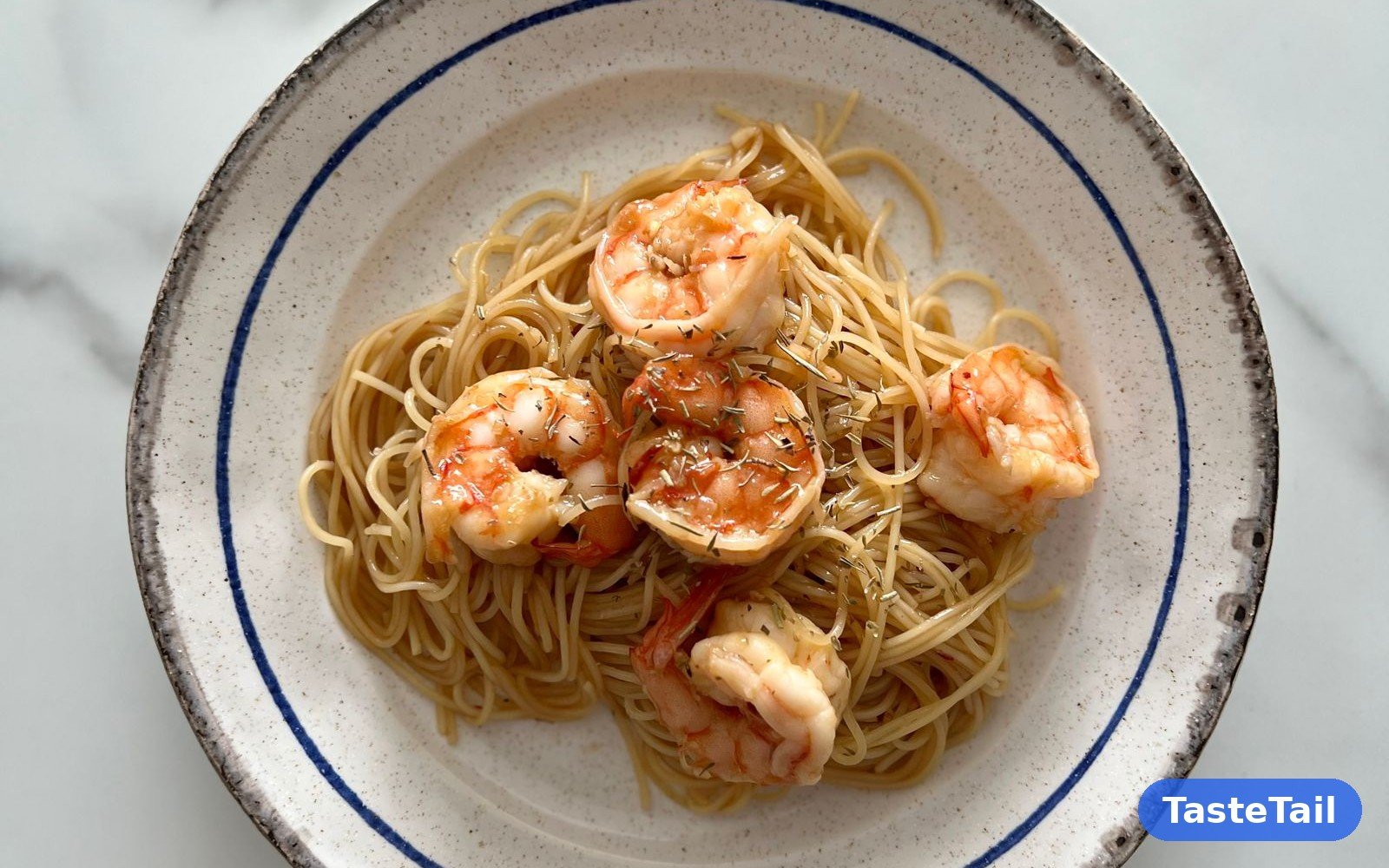
Why This One-Pan Shrimp Scampi Works
The first reason is the pan itself. Cooking everything in one pan is not just about saving washing up, though that is a genuine benefit. The real advantage is flavour. When you cook the shrimp first and then build the sauce in the same pan, the sauce picks up every bit of flavour the shrimp left behind — the browned bits on the bottom of the pan, the juices, the garlic that cooked in the shrimp’s oil. Then, when the pasta goes in and finishes cooking in that sauce, it absorbs all of it. The pasta is not a neutral carrier for the sauce; it becomes part of the dish. That is something you simply cannot get when you cook the pasta separately and pour sauce over it at the end.
The second reason is the sauce, and the sauce is really just four things in the right balance: butter, garlic, white wine, and lemon. Butter gives it richness and body. Garlic gives it that unmistakable scampi flavour. White wine adds acidity and depth, and as it simmers it cooks off its alcohol and leaves behind a gentle, savoury note that makes the whole sauce taste more complex than the sum of its parts. Lemon, added at the end, brightens everything up and keeps the richness from feeling heavy. It is the same principle behind our one-pan garlic butter steak bites, where garlic butter does most of the work and a squeeze of lemon at the end makes the whole dish come alive. When you get the balance right — enough butter to feel indulgent, enough lemon and wine to keep it fresh — the sauce is the kind of thing you will want to mop up with bread.
Third, the shrimp. Shrimp cook in about two minutes per side, which means they go from perfect to rubbery in the space of a single minute of inattention. That sounds stressful, but it is actually an advantage, because it means the dish is fast. The trick is to cook the shrimp first, just until they turn pink and curl into a gentle C shape, then take them out of the pan while you build the sauce and cook the pasta. They go back in at the very end, just long enough to warm through. That way they stay tender and juicy instead of shrinking into tough little commas. A shrimp that curls into a tight O is overcooked; a gentle C is exactly right. It is a small detail, but it is the difference between shrimp that melt in your mouth and shrimp that chew like rubber bands.
Finally, the pasta water. This is the quiet secret of almost every good pasta dish, and it matters even more here because the pasta cooks in the pan. The water the pasta cooks in is full of starch, and that starch is what turns a thin, watery sauce into something silky that clings to the noodles. You will add pasta water to the pan in stages as the linguine cooks, and each addition helps the sauce thicken and coat. Keep a jug of it beside the stove, and do not be shy about using it. A sauce that looks a little loose in the pan will tighten up as it sits, and a splash of pasta water at the end brings it back to exactly the consistency you want — glossy, rich, and clinging to every strand.
And then there is the finishing. Scampi is finished, not cooked, with its last few ingredients: a knob of cold butter swirled in at the end for shine, a squeeze of fresh lemon, a handful of chopped parsley, and a pinch of red pepper flakes for warmth. The cold butter melts into the hot sauce and gives it a glossy, restaurant finish. The lemon wakes everything up. The parsley adds colour and a fresh, green note. None of these take more than a minute, but they are what turn a good pan of pasta into something that looks and tastes like it came from a proper Italian kitchen.
Ingredients
The list is short, and that is the point. Scampi does not need a long list of ingredients — it needs good ones, in the right proportions. The shrimp matter most, so buy the best you can find. Large shrimp, peeled and deveined, with the tails left on or off depending on your preference, are ideal. Frozen shrimp are perfectly fine, and honestly they are often fresher than the shrimp sitting on ice at the fish counter, because they are frozen within hours of being caught. Just thaw them properly and pat them very dry before they go in the pan, or they will steam instead of searing. For the wine, use a dry white wine you would happily drink — pinot grigio, sauvignon blanc, or an unoaked chardonnay. If you would not drink it, do not cook with it.
- 12 ounces (340 g) linguine
- 1 pound (450 g) large shrimp, peeled and deveined, tails on or off
- 4 tablespoons unsalted butter, divided
- 2 tablespoons olive oil
- 6 cloves garlic, thinly sliced
- 1/2 teaspoon red pepper flakes, plus more to taste
- 1/2 cup dry white wine
- 1 cup low-sodium chicken broth or seafood stock
- 1 lemon, zested and juiced
- 1/2 teaspoon kosher salt, plus more to taste
- 1/4 teaspoon black pepper
- 1/3 cup freshly grated parmesan cheese, plus extra for serving
- 1/4 cup fresh parsley, finely chopped
- Lemon wedges, for serving
To serve (optional but recommended):
- Crusty bread, for mopping up the sauce
- A simple green salad with lemon and olive oil
- Extra red pepper flakes and parmesan at the table
How to Make One-Pan Shrimp Scampi with Linguine
Start by getting everything ready before the pan gets hot, because once this dish starts moving, it moves fast. Peel and devein the shrimp if they are not already done, pat them dry with paper towels, and season them with salt and pepper. Slice the garlic thinly — thin slices cook more evenly than minced garlic and are less likely to burn. Zest and juice the lemon, chop the parsley, and measure out the wine and broth. Having everything within arm’s reach is not just good practice here; it is the difference between a relaxed cook and a frantic one, because the garlic can go from golden to burnt in under a minute.
Heat the olive oil and two tablespoons of the butter in a large, deep skillet over medium-high heat. When the butter has melted and the foam has settled, add the shrimp in a single layer, taking care not to crowd the pan. Let them cook without moving them for about two minutes, until the underside is pink and lightly golden, then flip and cook for one more minute on the other side. They will not be fully cooked through, and that is exactly right — they will finish later. Take them out of the pan and set them aside on a plate. If you have a large batch, cook them in two rounds rather than crowding the pan, because crowded shrimp steam instead of searing, and you will lose that lovely golden colour.
Turn the heat down to medium and add the remaining two tablespoons of butter to the same pan. Add the sliced garlic and the red pepper flakes, and cook gently for about a minute, stirring constantly, until the garlic is fragrant and just starting to turn golden at the edges. This is the moment to watch carefully. Garlic burns quickly, and burnt garlic turns bitter, which will flavour the whole dish. If the garlic starts to colour too fast, pull the pan off the heat for a few seconds. You want it pale gold and smelling wonderful, not brown.
Pour in the white wine and let it bubble for a minute or two, scraping up the browned bits from the bottom of the pan with a wooden spoon. Those browned bits are pure flavour, and the wine lifts them straight into the sauce. Then add the chicken broth and bring everything to a gentle simmer. Add the linguine, pushing it down into the liquid as it softens, and cook it in the pan, stirring often and adding splashes of hot water as needed so the pasta stays mostly covered and never sticks to the bottom. It will take about ten to twelve minutes for the linguine to become tender, and you will use roughly an extra cup of water along the way. Stirring regularly is important — the pasta releases starch as it cooks, and that starch is what will thicken your sauce, but only if you keep it moving and keep it from clumping.
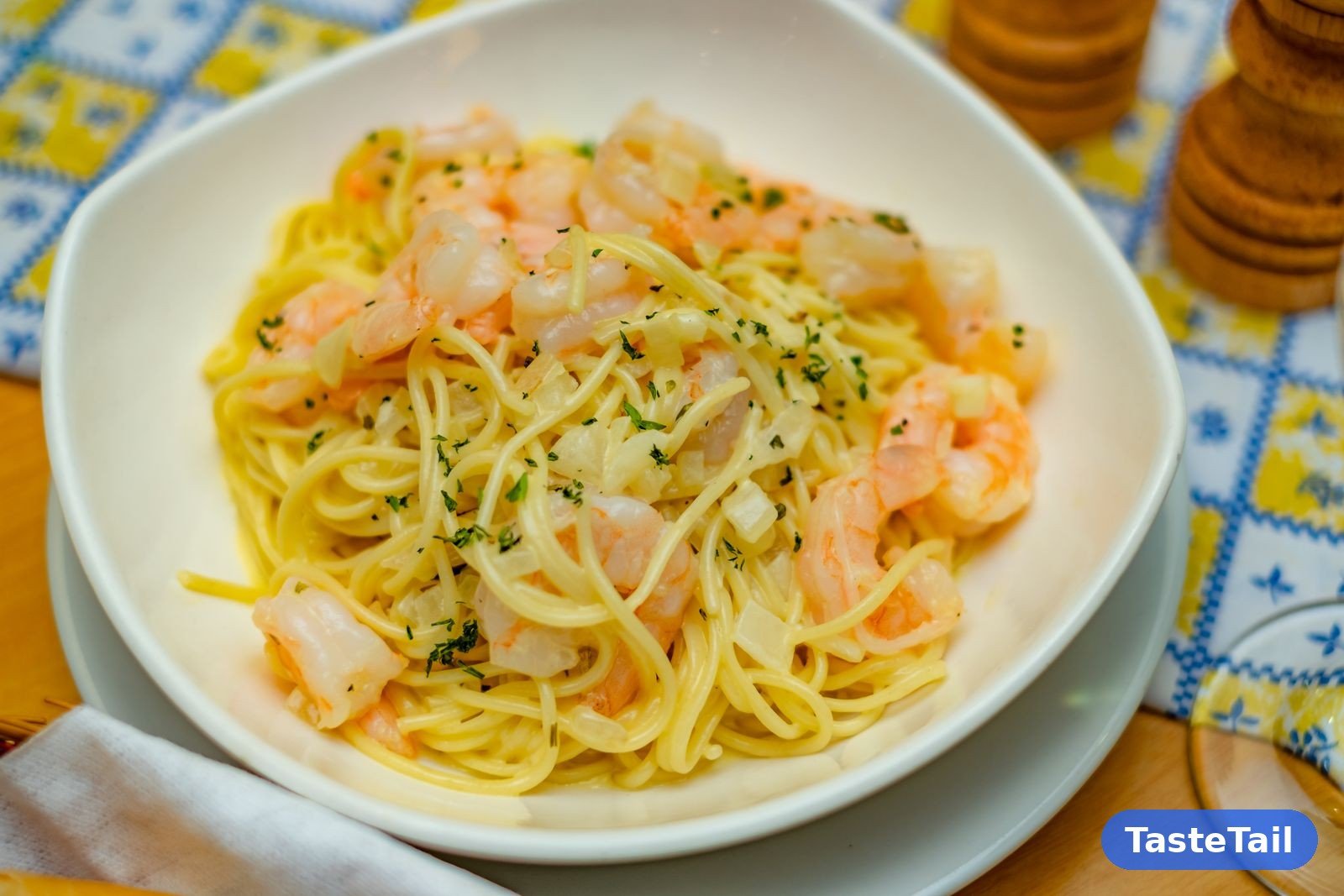
When the linguine is just about done — a minute before you think it is ready — add the shrimp back to the pan along with any juices from their plate. Toss everything together and let the shrimp warm through for one to two minutes, until they are pink all the way through and curled into that gentle C shape. Take the pan off the heat and stir in the parmesan, the lemon zest, and the lemon juice. The residual heat will melt the cheese into the sauce and make it glossy and rich. Taste and adjust the salt, and add another squeeze of lemon if it needs brightness.
Finally, swirl in a small knob of cold butter if you like a glossier finish, and scatter the chopped parsley over the top. Serve it straight from the pan, family style, with lemon wedges and extra parmesan on the side. The pasta will continue to absorb sauce as it sits, so serve it promptly, and do not be surprised if it disappears faster than you expected. This is one of those dishes where people go back for seconds before they have finished their firsts.
Tips for Perfect Shrimp Scampi
Dry the shrimp properly. This is the single most important step for getting a good sear. Wet shrimp steam in the pan, and steamed shrimp turn grey and rubbery instead of pink and golden. Pat them dry with paper towels, then pat them dry again. It takes thirty seconds and it makes a visible difference. Season them just before they go in the pan, not long before, because salt draws out moisture if it sits too long.
Do not walk away from the garlic. Garlic goes from perfectly golden to burnt in a matter of seconds, and burnt garlic will ruin the sauce. Keep the heat at medium, stir constantly, and have the wine measured and ready to pour in the moment the garlic is done. The wine stops the cooking instantly and deglazes the pan at the same time, so it is both your flavour and your safety net.
Use a pan that is big enough. Linguine needs room to move, and a crowded pan means uneven cooking and clumps of stuck-together pasta. A large, deep skillet — twelve inches across at least — is ideal. If your biggest pan is a little small, you can break the linguine in half before it goes in, though Italian tradition would object. Practicality wins here: pasta that cooks evenly matters more than pasta that stays long.
Save your pasta water, even though the pasta cooks in the pan. The starchy liquid in the pan is doing the same job, but having a jug of hot water beside the stove means you can loosen the sauce at any point without thinning its flavour. Add it a splash at a time — you can always add more, but you cannot take it back. And remember that the sauce will thicken as it sits, so aim for a consistency that looks just a touch looser than you want when it leaves the stove.
Serving Ideas
The classic way to serve shrimp scampi linguine is straight from the pan, in wide, shallow bowls, with plenty of crusty bread on the table. The bread is not an afterthought — it is for mopping up the sauce, which is arguably the best part of the whole dish. A good sourdough or a warm baguette, torn rather than sliced, is perfect. If you are building a whole Italian dinner around it, our one-pan chicken alfredo would be far too rich to serve alongside it, so keep the rest of the meal light and let the scampi be the star.
A simple green salad is the ideal partner. Something crisp and fresh — mixed leaves, shaved fennel, or a plate of sliced tomatoes with olive oil and salt — dressed with lemon and olive oil. The acidity cuts through the butter in the sauce and refreshes your palate between bites. Roasted asparagus or garlicky green beans work just as well, and they can go in the oven while the scampi cooks. For drinks, a glass of the same dry white wine you cooked with is the obvious choice, but a cold sparkling water with lemon is just as good if you would rather skip the alcohol.
For a dinner party, serve the scampi as the main course after a light starter — a small plate of bruschetta, or a bowl of olives and marinated artichokes. Keep the portions generous, because people will want seconds, and put the pan in the middle of the table so everyone can help themselves. It is a dish that suits family-style serving. If you are planning a full weeknight menu, our one-pan sausage and peppers makes a good alternative main for another night in the same week, since it uses the same one-pan approach with completely different flavours.
Variations to Try
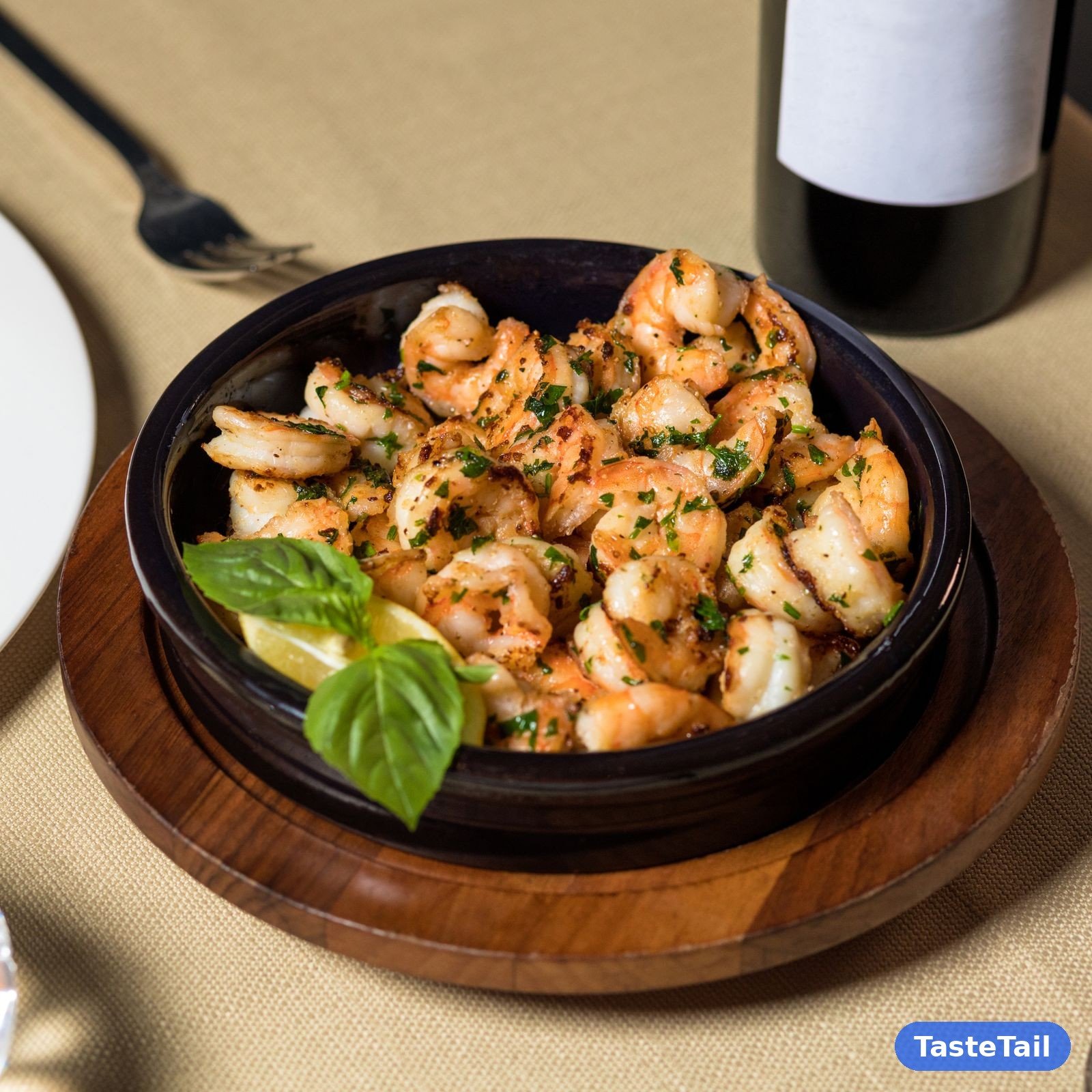
Once you have the basic method down, scampi is easy to adapt. For a creamier version, stir in a splash of heavy cream — about a quarter of a cup — with the parmesan at the end. It softens the sharpness of the lemon and gives the sauce a richer, silkier texture. For a spicier version, double the red pepper flakes and add a pinch of cayenne with the garlic. If you want to add vegetables, a handful of baby spinach stirred in at the end wilts beautifully into the hot pasta, and a cup of halved cherry tomatoes added with the broth gives the sauce a gentle sweetness and a pop of colour. Sun-dried tomatoes, chopped small, are another good addition.
You can also change the protein. Scallops cook in the same way as shrimp and are wonderful in this sauce — sear them for two minutes per side, set them aside, and add them back at the end just like the shrimp. A mix of shrimp and scallops makes the dish feel especially luxurious. For a lighter version, try it with white fish, cut into chunks and cooked gently in the sauce, or make it vegetarian with mushrooms and asparagus in place of the shrimp. If you like the one-pan pasta idea but want a completely different flavour profile, our one-pan vegetable fried rice uses the same single-pan logic with an Asian twist, and it is a good reminder of how versatile the method is.
The pasta can change too. Spaghetti is the obvious substitute, and fettuccine works well if you want wider ribbons that hold more sauce. For a lighter meal, try it with zucchini noodles or a mix of half pasta and half zucchini noodles — add the zucchini noodles in the last two minutes of cooking so they stay crisp. And if you want to skip the wine, replace it with extra chicken broth and a tablespoon of white wine vinegar or extra lemon juice. The sauce will be slightly less complex, but still delicious. A good scampi is really about the garlic, butter, and lemon, and those are the flavours that carry the dish.
Storing and Reheating
Shrimp scampi linguine is best eaten fresh, and honestly it rarely lasts long enough to store. But if you do have leftovers, keep them in an airtight container in the fridge for up to two days. The pasta will absorb sauce as it sits, so when you reheat it, add a splash of water or chicken broth and warm it gently in a skillet over medium-low heat, stirring often, until it is heated through. The microwave works in a pinch, but heat it in short bursts and stir between each one, or the shrimp will overcook and turn rubbery.
If you want to make part of the dish ahead, you can cook the shrimp earlier in the day and keep them refrigerated, then build the sauce and cook the pasta when you are ready to eat. The sauce itself does not keep well once it is made, so it is best to cook the whole dish fresh. Do not freeze cooked scampi — the shrimp go rubbery and the pasta turns mushy when thawed. What does freeze well is raw shrimp, so keep a bag in the freezer and this becomes a dinner you can make almost entirely from the pantry and the freezer on a night when you have not been shopping.
Frequently Asked Questions
Can I use frozen shrimp for shrimp scampi?
Yes, and frozen shrimp are often the best choice. They are usually frozen within hours of being caught, so they can be fresher than shrimp that has been sitting on ice for days. Thaw them overnight in the fridge, or in a bowl of cold water for about twenty minutes, changing the water once. Drain them well and pat them very dry before cooking, because excess moisture will stop them from searing properly and will water down the sauce.
Can I make shrimp scampi without white wine?
Absolutely. Replace the wine with an equal amount of chicken broth or seafood stock, plus a tablespoon of white wine vinegar or an extra squeeze of lemon juice to replace the acidity the wine would have given. The sauce will be a little less complex, but still rich and delicious. If you avoid alcohol entirely, this is a simple swap that works every time.
Why is my scampi sauce watery?
Usually because the pasta did not release enough starch into the sauce, or because too much liquid was added at once. Cook the pasta directly in the pan so its starch thickens the sauce naturally, and add water a splash at a time rather than all at once. Stirring often helps the starch do its work. If the sauce still looks thin at the end, take the pan off the heat and stir in the parmesan and a small knob of cold butter — both will help it come together and cling to the pasta.
How do I know when the shrimp are done?
Watch the shape and the colour. Raw shrimp are grey and translucent; cooked shrimp are pink and opaque, and they curl into a gentle C shape. If a shrimp has curled into a tight O, it is overcooked. They cook in about two minutes per side in a hot pan, and they finish cooking from the residual heat when they go back into the pasta at the end. When in doubt, take them out a minute early — they will finish in the sauce.
Can I use a different pasta shape?
Yes. Linguine is the classic choice because its flat surface holds the sauce well, but spaghetti, fettuccine, or angel hair all work. Angel hair cooks faster, so reduce the cooking time and watch it closely. Short shapes like penne or fusilli also work, though they change the feel of the dish — they hold the sauce in their ridges and tubes, which is a different but equally good experience. Use whatever you have in the cupboard.
What should I serve with shrimp scampi linguine?
Crusty bread is almost essential, for mopping up the sauce. A simple green salad with a lemon dressing is the perfect fresh contrast to the rich butter sauce, and roasted vegetables like asparagus or green beans round out the meal. For drinks, a dry white wine — ideally the same one you cooked with — or sparkling water with lemon both work beautifully.
Can I make this ahead of time?
This dish is best made fresh and eaten straight away, because the pasta keeps absorbing sauce as it sits. You can prep everything in advance — peel the shrimp, slice the garlic, zest the lemon, chop the parsley — so the actual cooking takes less than half an hour. If you do have leftovers, refrigerate them for up to two days and reheat gently in a skillet with a splash of water or broth.
Final Thoughts
Shrimp scampi linguine is one of those recipes that reminds you how much pleasure there is in simple cooking done well. A handful of good ingredients, one pan, and twenty-five minutes is all it takes to make something that tastes like a restaurant meal and feels like a small celebration. It is fast enough for a weeknight, impressive enough for guests, and easy enough that you will make it again the following week. The garlic butter, the lemon, the tender shrimp, and the pasta that has soaked up every bit of the sauce — it all comes together into something greater than the sum of its parts. Keep a bag of shrimp in the freezer and a bottle of dry white wine in the cupboard, and this becomes a dinner you can make any night of the week, whenever you want something that tastes special without any fuss at all.