
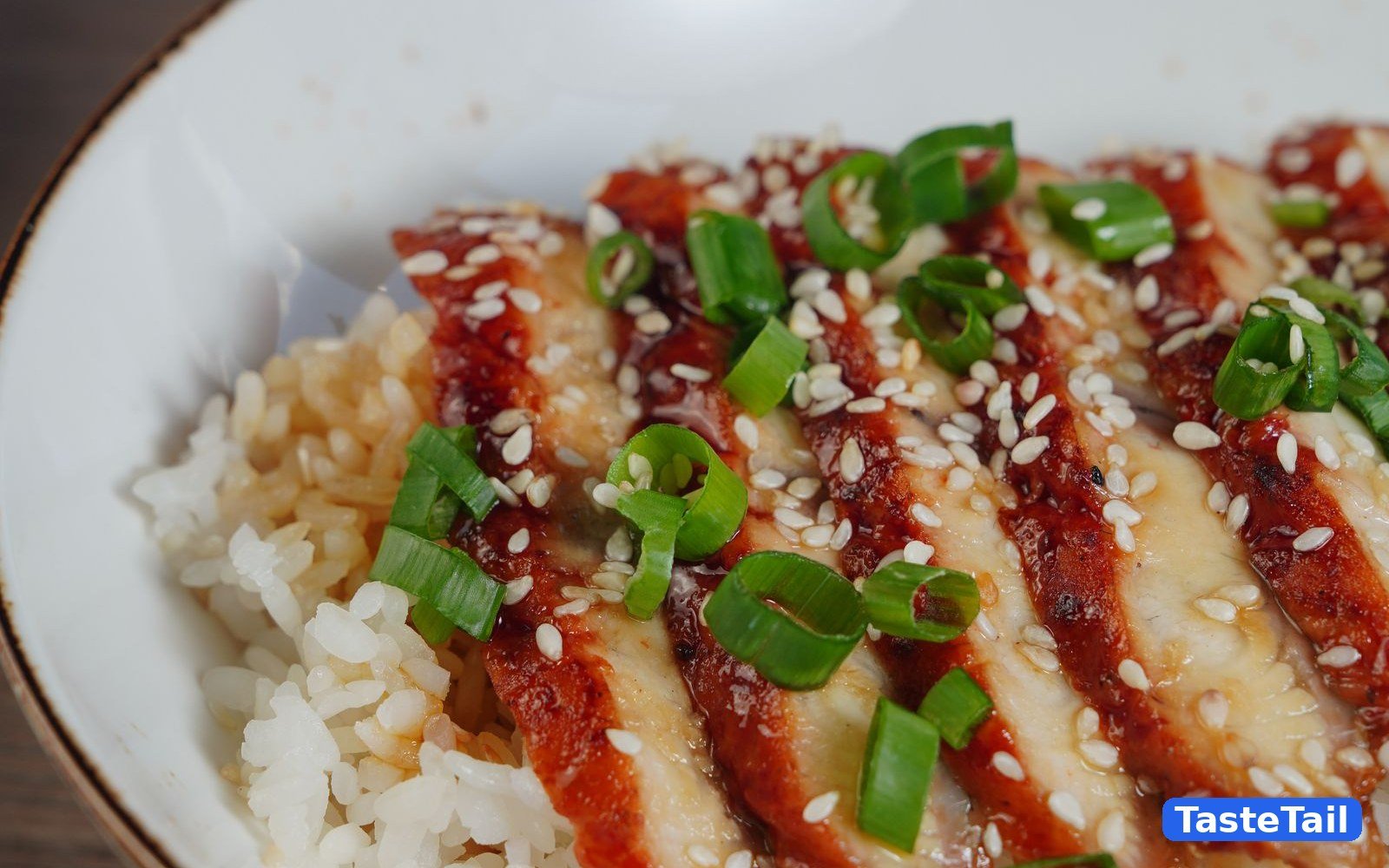
Some dinners feel like a small victory over the takeout menu, and this teriyaki chicken stir fry bowl is one of them. It has everything a good takeout dinner has — glossy, sweet-savoury sauce, juicy chicken, crisp vegetables, and warm rice — but it comes together in about thirty minutes, in your own kitchen, with ingredients you can actually pronounce. The sauce is homemade and takes about two minutes to whisk together. The vegetables stay bright and crisp because they cook fast in a hot pan. And the whole thing lands on the table looking like something you would happily pay for at a restaurant.
I started making stir fry bowls at home after realising how much money we were spending on takeout during busy weeks. The delivery versions were never quite right — too sweet, too salty, or with vegetables that had gone soft somewhere between the restaurant and our front door. The homemade version fixed all of that at once. The sauce is balanced the way I like it, the vegetables are still crisp, and the chicken is juicy instead of chewy. It took a few tries to get the timing right, but once the method clicked, it became one of those recipes I can make half asleep, which is exactly the kind of recipe a busy weeknight demands.
What makes a stir fry bowl work is not a long list of exotic ingredients. It is heat, timing, and a sauce with the right balance of sweet, salty, and tangy. The chicken needs a very hot pan so it browns instead of steaming. The vegetables need to go in order of how long they take to cook, so nothing ends up mushy. And the sauce needs to go in at the end, so it thickens into a glossy coating rather than boiling away. Once you understand those three ideas, you can stir fry almost anything, and this recipe is a great place to learn them.
This is also one of the most flexible dinners in my regular rotation. The vegetables change with the season and with whatever is in the fridge — broccoli in winter, snap peas in spring, peppers and zucchini in summer. The chicken can be thighs or breasts. The rice can be white, brown, or cauliflower rice. And the sauce, once you have made it a few times, becomes something you can adjust by feel: a little more honey if you like it sweeter, a little more vinegar if you like it brighter, a pinch of chilli if you like heat. It is a recipe that grows with you.
Why These Teriyaki Bowls Work So Well
A great stir fry is built on contrast: juicy chicken against crisp vegetables, sweet sauce against salty soy, soft rice against crunchy toppings. This recipe is designed around those contrasts, and each one is deliberate. The chicken is cut into even, bite-sized pieces so it cooks quickly and browns well. The vegetables are cut to similar sizes so they cook evenly. And the sauce is added at the very end, when the pan is at its hottest, so it thickens in seconds into a shiny glaze that coats everything instead of pooling at the bottom.
The sauce itself is worth talking about, because a homemade teriyaki sauce is a completely different thing from the bottled kind. Bottled teriyaki sauce is often very sweet and one-dimensional. This version balances soy sauce with honey, rice vinegar, garlic, and ginger, so you get salty, sweet, tangy, and warm all at once. It takes two minutes to whisk together, it keeps in the fridge for a week, and once you have tasted it, you will not want to go back to the bottle. The cornstarch slurry at the end is what turns it from a thin sauce into a glossy glaze — it is a small step that makes a big visual and textural difference.
The other reason this recipe works is that it respects the most important rule of stir-frying: do not crowd the pan. When too much food goes into a pan at once, the temperature drops, moisture comes out, and everything steams instead of frying. That is how you end up with grey, soggy chicken and limp vegetables. This recipe cooks the chicken first, in a single layer, then the vegetables in the same hot pan, and only brings everything together at the end. It takes a few extra minutes, but the difference in flavour and texture is enormous. The Serious Eats guide to stir-frying explains the science behind this better than I ever could, and it is worth a read if you want to understand why high heat matters so much.
Finally, the bowl format itself is part of the appeal. Everything is served over rice in a bowl, which means the sauce drips down into the rice, the toppings stay where you put them, and everyone can build their own bowl the way they like it. It is casual, generous, and it works just as well for a family dinner as it does for a quick lunch. Bowls are forgiving, too — if one element is not perfect, the others carry it, and nobody notices.
Ingredients
The ingredient list looks longer than it is, because half of it is the sauce, and the sauce is just a few pantry staples whisked together. The vegetables are flexible — use what you have, and do not stress about exact amounts. A stir fry is a cook’s recipe, not a baker’s recipe, and it forgives small changes easily.
For the teriyaki sauce:
- 1/3 cup low-sodium soy sauce
- 3 tablespoons honey
- 2 tablespoons rice vinegar
- 1 tablespoon sesame oil
- 3 cloves garlic, minced
- 1 tablespoon fresh ginger, grated
- 1 tablespoon cornstarch mixed with 2 tablespoons cold water
For the stir fry bowls:
- 1 1/2 pounds boneless, skinless chicken breasts or thighs, cut into bite-sized pieces
- 1 tablespoon soy sauce
- 1 teaspoon sesame oil
- 1/2 teaspoon black pepper
- 2 tablespoons vegetable oil or another neutral oil with a high smoke point
- 2 cups broccoli florets, cut small
- 1 red bell pepper, sliced
- 1 cup snap peas or snow peas
- 2 medium carrots, cut into thin coins or matchsticks
- 3 green onions, sliced
- 1 tablespoon sesame seeds, for serving
- 4 cups cooked rice, for serving (white, brown, or jasmine)
A note on the chicken: thighs are my first choice for stir fry, because they stay juicy even in a very hot pan and their richer flavour stands up to the sauce. Breasts work well too, as long as you do not overcook them — cut them evenly, cook them fast, and take them out of the pan the moment they are done. Either way, cut the pieces roughly the same size, about an inch across, so they cook in the same amount of time. If you are in a hurry, many supermarkets sell chicken already cut into stir fry strips, and those work fine.
For the vegetables, the mix above is a suggestion, not a rule. The important thing is to include a mix of textures and colours: something green and sturdy like broccoli, something sweet and colourful like peppers, and something crisp like snap peas. Mushrooms, zucchini, baby corn, and green beans all work beautifully. If you only have frozen vegetables, that is fine too — just thaw them first and pat them dry, or they will release water into the pan and steam everything. Our chicken skillet with frozen vegetables has more tips for cooking with frozen vegetables, and our quick chicken dinner with frozen vegetables is another good weeknight option when the freezer is all you have.
How to Make Teriyaki Chicken Stir Fry Bowls
Start the rice first, since it takes the longest and can sit happily while you cook everything else. While the rice cooks, whisk together all the sauce ingredients except the cornstarch slurry in a small bowl or jug. Taste it — it should be salty, sweet, and bright all at once. If it tastes too salty, add a little more honey. If it tastes too sweet, add a splash more vinegar. Set the sauce aside, and stir the cornstarch into the cold water in a separate small bowl. Keep both within reach of the stove, because once the cooking starts, it moves fast.
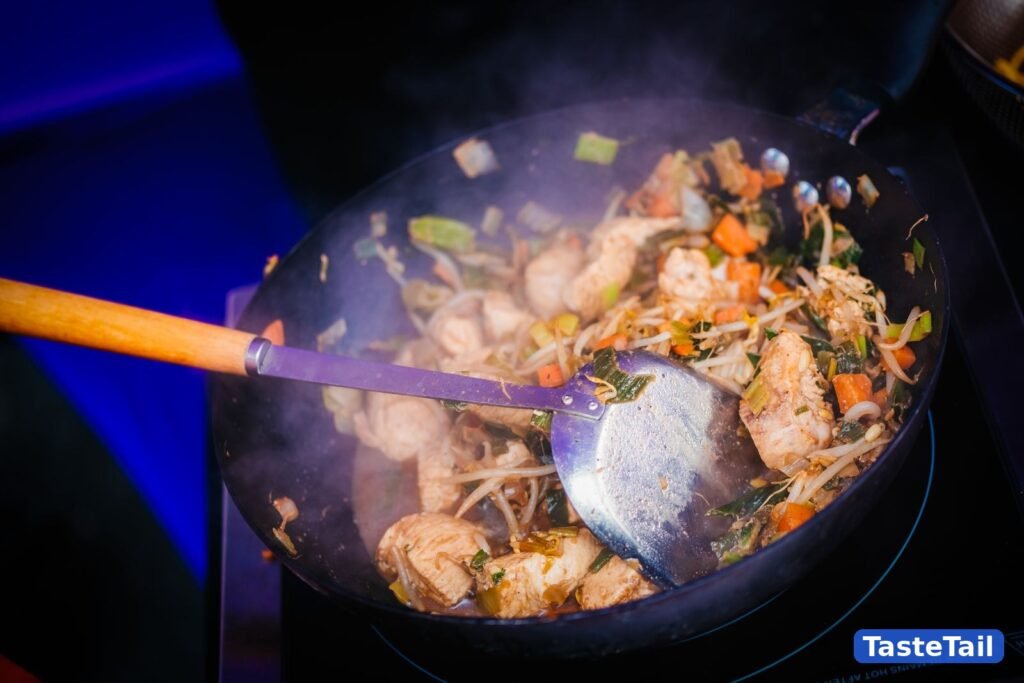
Put the chicken pieces in a bowl and toss them with the tablespoon of soy sauce, the teaspoon of sesame oil, and the black pepper. Let them sit for ten minutes while you prepare the vegetables. This short marinade does not need to be long — it just seasons the chicken and helps it brown. While the chicken marinates, cut all your vegetables and have them ready in bowls by the stove. Stir fry cooking is fast, and once the pan is hot, you will not have time to chop a pepper. Having everything ready before you start is the single best habit you can build for stir fry cooking.
Heat the vegetable oil in a large skillet or wok over high heat until it shimmers and just begins to smoke. Add the chicken in a single layer, leaving space between the pieces. Let it sit without moving it for two to three minutes, so it develops a good golden-brown crust, then stir and cook for another three to four minutes until it is cooked through. The USDA safe minimum internal temperature for chicken is 165°F, and bite-sized pieces will reach it quickly. Remove the chicken to a plate and set it aside.
Return the pan to high heat and add a little more oil if the pan looks dry. Add the broccoli and carrots first, since they take the longest to cook, and stir fry for two minutes. Then add the bell pepper and snap peas, and stir fry for another two minutes. The vegetables should be bright, crisp, and just tender — you should still feel a bite when you taste one. If your pan is not large enough to hold all the vegetables comfortably, cook them in two batches. Crowding is the enemy of crispness, and it is always better to cook in batches than to end up with steamed vegetables.
Now bring it all together. Return the chicken to the pan with the vegetables, and pour the sauce over everything. Stir to coat, and let it bubble for about thirty seconds. Then give the cornstarch slurry a quick stir — it settles fast — and pour it into the pan, stirring constantly. Within seconds, the sauce will thicken into a glossy glaze that clings to the chicken and vegetables. That is your cue to take the pan off the heat. Taste and adjust: more honey if you want it sweeter, a splash of soy if you want it saltier, a squeeze of lime if you want it brighter.
Serve immediately over warm rice in wide bowls, spooning the chicken, vegetables, and sauce over the top. Sprinkle with sliced green onions and sesame seeds, and put extra sauce on the table for anyone who wants more. The whole dish, from pan to table, should take less than five minutes once the cooking starts — that is the beauty of having everything ready before you begin.
Tips for a Perfect Stir Fry
The most important tip is also the simplest: get the pan very hot, and keep it hot. A stir fry cooked over medium heat is not a stir fry — it is a sauté that has lost its way. High heat is what gives you browned chicken, crisp vegetables, and that slightly smoky flavour that makes takeout stir fry taste like takeout. If your pan is not hot enough, the food releases its moisture and steams. If you are using an electric stove, let the pan heat for a good two minutes before the oil goes in, and do not add the chicken until the oil shimmers.
Second, prepare everything before you start cooking. This is called mise en place, and it sounds fancy, but it just means having your vegetables cut, your sauce mixed, and your chicken seasoned before the pan gets hot. Stir fry cooking moves too fast to chop as you go, and the difference between a cook who preps first and a cook who does not is the difference between crisp vegetables and soggy ones. It takes ten minutes of prep, and it is the reason the cooking itself only takes ten minutes.
Third, cut things evenly. Chicken pieces that are all about the same size cook in the same amount of time, so none of them are overcooked while others are still pink. Vegetables cut to similar sizes cook evenly too. You do not need to be precise — just aim for roughly the same size, and the pan will do the rest. And when you add the sauce, have the cornstarch slurry stirred and ready, because it thickens fast and you do not want to be scrambling for it while the sauce is bubbling.
Fourth, do not overcook the vegetables. They should be crisp-tender, which means they still have a bite and their colours are bright. Broccoli should be vivid green, not olive. Peppers should be glossy and firm, not soft and wrinkled. If you are unsure, taste one — it should feel fresh and crunchy, not limp. You can always cook vegetables a little longer, but you cannot uncook them, so err on the side of underdone. They will keep cooking for a minute or two in the residual heat of the pan even after you take it off the stove.
Serving Ideas
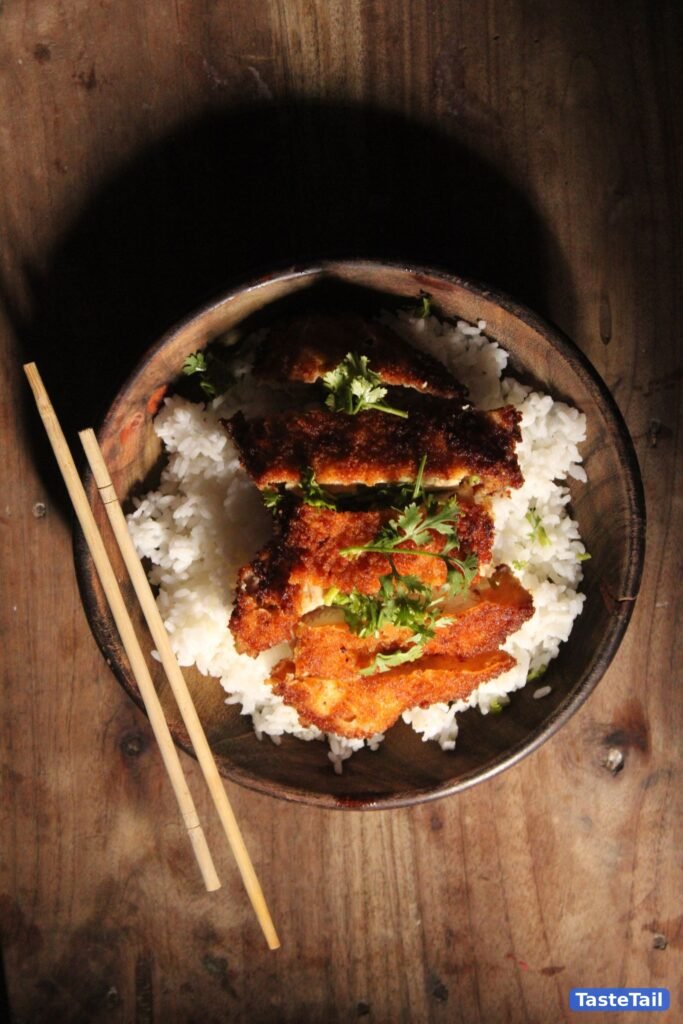
The classic way to serve these bowls is over steamed rice, and jasmine rice is my favourite — its gentle fragrance and slightly sticky texture are perfect for catching the sauce. Brown rice works well too, and it adds a nutty flavour and extra fibre that makes the meal feel more substantial. If you want a lower-carb option, cauliflower rice is a great swap, and it soaks up the sauce beautifully. Or serve the stir fry over noodles instead of rice, for a completely different but equally good dinner.
Toppings are where the bowl format really shines. Sesame seeds and sliced green onions are the minimum, and they add crunch and freshness. Beyond that, think about what you like: crushed peanuts for crunch, a drizzle of sriracha for heat, a squeeze of lime for brightness, or some pickled ginger for a sharp, tangy contrast. A soft fried egg on top turns the bowl into something even more satisfying, and it is a wonderful addition if you are making this for brunch or a late lunch.
For sides, keep things simple. A cucumber salad with rice vinegar and sesame is cool and refreshing next to the warm, savoury bowl. Edamame with a little salt is an easy, protein-rich side that takes five minutes. And if you want to make a bigger spread, spring rolls or dumplings from the freezer section are an easy win — they cook while the stir fry cooks, and they make the meal feel like a feast. If you like rice-based dinners, our easy chicken and rice skillet is another one-pan favourite, and our one pan vegetable fried rice is a great meat-free option for another night.
For drinks, iced green tea or sparkling water with lime both work beautifully. The meal is bold and savoury, so something light and refreshing is the right contrast. And if you are serving this to friends, put the toppings in small bowls on the table and let everyone build their own — it turns dinner into a small event, and people always enjoy choosing their own combinations.
Storage and Leftovers
Leftover stir fry keeps well in the refrigerator for up to three days, stored in an airtight container. Store the rice separately from the chicken and vegetables if you can, so the rice does not soak up all the sauce and go soggy. The sauce will thicken as it cools, which is normal — it loosens again when you reheat it.
To reheat, the stovetop is best. Warm the chicken and vegetables in a skillet over medium heat with a splash of water or chicken broth, stirring gently, until heated through. The microwave works too — heat in short bursts, stirring between each one — but the vegetables will lose a little of their crispness. Either way, add the toppings fresh when you serve, so the green onions and sesame seeds are still bright and crunchy.
You can also freeze the cooked chicken and vegetables, without the rice, for up to two months. Thaw overnight in the refrigerator and reheat in a skillet. The vegetables will be softer after freezing, but the flavour will still be wonderful. I would not recommend freezing the finished sauce separately, as it can separate, but the sauce itself keeps in the refrigerator for up to a week in a sealed jar — make a double batch and you have next week’s stir fry halfway done.
Leftover teriyaki chicken is also excellent cold, sliced over a salad, or wrapped in a tortilla with shredded cabbage and a drizzle of extra sauce for a quick lunch. It is one of those leftovers that does not feel like a leftover, because the flavours are bold enough to stand up to a second outing. If you have extra sauce, it is wonderful brushed over grilled chicken or salmon, or stirred into noodles.
Variations to Try
Once you have the basic method down, this recipe is endlessly adaptable. Swap the chicken for shrimp — they cook in just two minutes and are wonderful with teriyaki sauce. Use thinly sliced beef, and cook it fast in a very hot pan. Or go meat-free with extra-firm tofu: press it, cut it into cubes, and fry it until golden before adding the sauce. Tempeh works well too, and it soaks up the sauce beautifully.
You can change the vegetables with the seasons. In summer, add zucchini and corn. In autumn, try mushrooms and green beans. In winter, cabbage and carrots are sturdy and sweet. You can also add pineapple chunks for a sweet-sour Hawaiian twist — they caramelise slightly in the hot pan and their sweetness is a lovely contrast to the salty sauce. And if you like heat, add a diced fresh chilli with the vegetables, or a spoonful of chilli garlic sauce to the teriyaki sauce.
The sauce itself can be adjusted to your taste. Use maple syrup instead of honey for a slightly different sweetness. Add a splash of orange juice for a citrus note. Stir in a spoonful of peanut butter for a satay-style variation that is wonderful over noodles. And if you want a lighter, less sweet version, cut the honey in half and add a little more rice vinegar — the sauce will be brighter and tangier, and still delicious.
Frequently Asked Questions
Can I use bottled teriyaki sauce instead of homemade?
You can, but the homemade sauce is so quick and tastes so much better that I would encourage you to try it at least once. Bottled sauces are often very sweet and one-dimensional. If you do use a bottled sauce, taste it first and adjust — you may want to add a splash of rice vinegar and some fresh ginger to brighten it up. You will still need the cornstarch slurry to thicken it into a glaze, unless the bottled sauce is already very thick.
How do I keep the vegetables crisp?
High heat and short cooking times are the answer. Get the pan very hot before the vegetables go in, cook them in a single layer without crowding, and take them out while they still have a bite. Add the vegetables in order of cooking time — broccoli and carrots first, peppers and snap peas last. And do not add the sauce until the very end, because the liquid will soften the vegetables if it simmers with them for too long.
Can I make teriyaki chicken stir fry ahead of time?
Yes. You can make the sauce up to a week ahead and keep it in a sealed jar in the refrigerator. You can also cut the vegetables and the chicken the night before and store them in separate containers. When you are ready to cook, the whole dish takes about ten minutes. The cooked stir fry keeps in the refrigerator for up to three days, though the vegetables will soften a little on reheating.
What rice goes best with teriyaki bowls?
Jasmine rice is my favourite — it is fragrant, slightly sticky, and perfect for catching the sauce. Short-grain white rice works well too. Brown rice adds a nutty flavour and extra fibre. For a lighter option, cauliflower rice is excellent, and it soaks up the sauce beautifully. Really, any rice you like will work, and the bowl format is forgiving.
Can I use frozen vegetables in this stir fry?
Yes, but thaw them first and pat them dry with paper towels. Frozen vegetables release a lot of water as they thaw, and if that water goes into a hot pan, everything steams instead of frying. Thawed and dried frozen vegetables stir fry almost as well as fresh ones. Broccoli, green beans, and mixed stir fry vegetables are all good choices from the freezer aisle.
Is this recipe gluten-free?
It can be, with two easy swaps. Use tamari or a certified gluten-free soy sauce instead of regular soy sauce, and make sure your other sauces are gluten-free too. Serve it over rice, which is naturally gluten-free. The rest of the recipe — chicken, vegetables, honey, vinegar, ginger, and garlic — is naturally gluten-free, so it is a simple adaptation.
How spicy is this dish?
As written, it is not spicy at all — it is sweet, salty, and savoury, with warmth from the ginger rather than heat. If you like spice, add a pinch of red pepper flakes to the sauce, a diced fresh chilli with the vegetables, or a drizzle of sriracha on top when you serve. The heat is easy to adjust, so start small and add more to taste.